
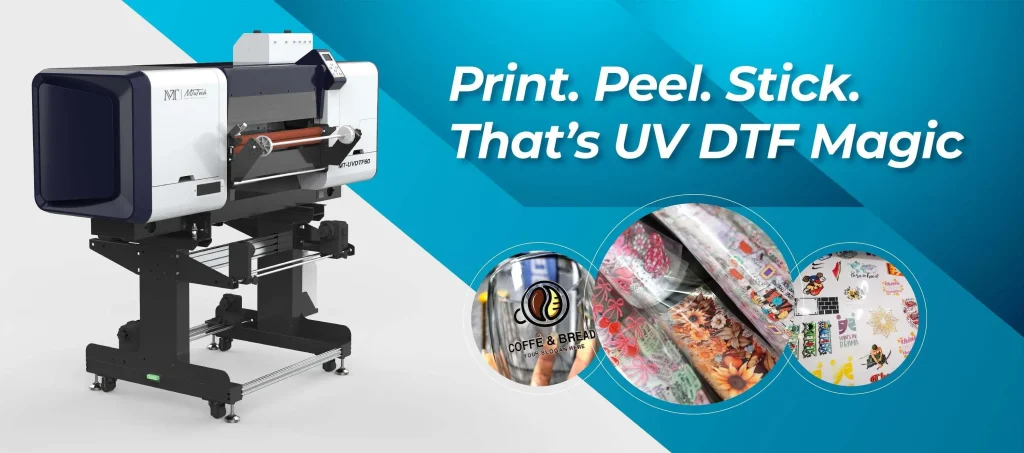
Color Management in UV DTF Transfer is the backbone of consistent, vivid results across garments and substrates, and it starts with a clear, repeatable plan that ties your design intent to the visible output you deliver to clients, stores, and your own creative projects. A well-structured workflow connects your monitor, printer, transfer film, fabrics, and ambient lighting through calibrated targets, ICC profiles, and a shared language of color science, embodying UV DTF color management and dramatically reducing guesswork during setup, proofing and production, while maintaining documentation for audits and client reviews, including archival notes for future refits, cross-lab verification, and a client-facing color sheet that clarifies tolerances. By prioritizing color calibration for UV DTF, you align devices and media so that proofs, soft proofs, and final prints share a predictable tonal range, ensuring UV DTF print color accuracy from white bases to saturated neons, and enabling on-demand revisions without compromising consistency, while supporting cross-media validation and faster approval cycles, and this broader approach also helps teams stay compliant with brand standards and regulatory requirements across markets. This involves selecting the right working space, profiling each component (monitor, printer, inks, transfer film, and substrates), and enabling a RIP with a consistent rendering intent, so color behavior remains stable across runs, media changes, and even different batches of ink, with periodic checks to catch drift early, and in practice, maintain a checklist for media lots, firmware versions, and ink batches to quickly spot drift. With disciplined soft-proofing, real-world validation on the target substrate, and a library of tested profiles and reference targets, you gain practical tips for vibrant DTF transfers and maintain color parity even as lighting, garment color, and production speed vary, while building a scalable framework for future jobs, and as a result, teams can scale up operations without sacrificing accuracy or repeatability.
From a semantic perspective, color fidelity in UV-curable transfers hinges on harmonizing the digital file with the print hardware, media makeup, and viewing conditions. Think of this as cross-device color alignment, where profiles, soft-proof simulations, and calibration routines translate on-screen intent into fabric-ready reality, using terminology that emphasizes consistency, repeatability, and perceptual accuracy. In practical terms, the aim is to maintain predictable hues, balanced saturation, and reliable reproduceability across surfaces, regardless of substrate color or lighting. Designers and technicians can support this effort by preparing color-accurate assets, relying on device-linked profiles, and validating results with on-substrate proofs before committing to larger runs.
Color Management in UV DTF Transfer: Foundations and Best Practices
Color management in UV DTF transfer begins with the understanding that digital colors must travel across devices—from design software to the printer to the final garment. This means aligning workflows around ICC profiles, print targets, and calibrated viewing conditions so what you see on screen matches what lands on fabric. When we talk about UV DTF color management, we’re coordinating monitor calibration, media profiles, and ink behavior to minimize color drift and ensure UV DTF print color accuracy across substrates.
Key variables include monitor gamma, substrate white base, transfer film, and curing behavior. Each step can shift hue, saturation, or brightness if not controlled. By anchoring your workflow to a reference profile and validating with soft-proofing and physical proofs, you create a repeatable path from file to finished transfer. This is the foundation of reliable, vibrant results and satisfied clients.
Setting Up a Robust UV DTF Color Management Workflow
Define color targets for common substrates and establish a baseline to reduce guesswork. Start with an ICC profile tuned to your most frequent fabrics and white base, so the hues you design map predictably when the transfer is applied. This is a practical pillar of UV DTF color management and supports UV DTF print color accuracy across runs. Also, implement color calibration for UV DTF across your monitor and printer to keep previews aligned with real prints.
Calibrate your monitor, create or obtain device ICC profiles for your UV DTF printer, inks, and transfer film, and configure the RIP with a stable color space and rendering intent. A device-link profile can help preserve intent across spaces, while soft-proofing lets you preview color shifts before you print. For tips for vibrant DTF transfers, keep a tested library of profiles for your most-used media.
Calibrating and Profiling All Components for Consistent Color
Color calibration for UV DTF includes monitors, printers, and even the transfer film. These calibrations feed the goal of UV DTF color management: consistent output across jobs and batches. For UV DTF print color accuracy, matching the client’s expectations requires disciplined profiling and verification.
Profile every media and film combination; if you switch ink batches, re-profile. Maintain an archive of test targets. This reduces rework and ensures predictable saturation and tonal response across substrates.
Soft-Proofing and Real-World Validation for UV DTF
Soft-proofing helps simulate final output on the actual substrate using calibrated viewing conditions. It’s a critical step for achieving consistent color across runs, ensuring the design looks right when applied.
But soft-proofing must be complemented with physical proofs under multiple lighting conditions—daylight, cool white, warm LED—to catch shifts due to white base or curing. Document results and adjust profiles accordingly.
Substrate and White Base: How They Shape UV DTF Colors
Substrate color and whiteness dominate perceived hue and brightness. A light fabric with a bright white base reflects more light, often enhancing vibrancy; darker fabrics dampen saturation. In color management for UV DTF, you must tailor color targets to the substrate to avoid mis-matches.
Consider testing with and without underbase tint; the white base can push colors toward the expected warmth or cooling. Document how each substrate affects color and adjust your ICC targets accordingly for better UV DTF print color accuracy.
Advanced Techniques to Maximize Vivid Results in UV DTF Transfers
Design assets that are color-managed—bold blocks and defined targets help predict output more reliably than complex gradients. Use overprint strategies and carefully calibrated white underbase to preserve saturation and detail.
Account for environmental conditions and post-processing finishes. Temperature and humidity can affect curing and ink density, so record these conditions when profiling. Testing finishes with gloss or matte coatings can either enhance or dull perceived color; plan accordingly.
Frequently Asked Questions
What is UV DTF color management and how does it improve UV DTF print color accuracy?
UV DTF color management is the end-to-end process of aligning color across devices (monitor, RIP, printer, inks, and transfer film) so digital files print with consistent color on the chosen substrate. It directly improves UV DTF print color accuracy by using calibrated hardware, ICC profiles for each component, and verified soft-proofing and proofs on the actual substrate. Start with a baseline target, calibrate your monitor, install per-media ICC profiles, and validate output with physical proofs to reduce color surprises.
How can I implement color calibration for UV DTF to ensure consistent results across substrates?
Begin with monitor calibration to a known gray balance, then create or obtain device ICC profiles for your UV DTF printer, inks, and transfer film. Use a RIP with consistent color management and rendering intents, and apply soft-proofing against the target substrate. Regularly re-profile when changing media or ink batches, and print calibration sheets to verify color targets before live jobs.
What steps should I take to soft-proof for Color Management in UV DTF Transfer before printing?
Enable soft-proofing using the substrate’s ICC profile and a calibrated monitor to simulate how colors will appear on the final fabric. Choose an appropriate rendering intent, compare the soft-proof to a reference proof, and adjust design colors or profiles accordingly. This reduces drastic shifts after transfer and improves predictability across jobs.
How do ICC profiles and device-link profiles support color management for UV DTF transfers?
ICC profiles define how each device reproduces color, while device-link profiles translate colors directly from the design or workspace to printer space, preserving intent. Using ICC profiles for the monitor, printer/ink/film, and transfer media, along with device-link profiles when appropriate, minimizes color conversions errors and keeps color consistency across substrates in UV DTF transfers.
What are tips for vibrant DTF transfers while maintaining color accuracy in UV DTF color management?
Work in a wide gamut during design (e.g., Adobe RGB) and convert to the printer’s native space before printing. Maintain updated profiles for each media, verify color targets with soft-proofing, and manage saturation carefully to avoid clipping. Calibrate white underbase and curing settings, and test prints under multiple lighting to ensure vibrancy without losing accuracy.
How do substrate color, white base, and UV curing influence color management and print color accuracy in UV DTF?
Substrate color and white base dramatically affect perceived color and brightness; choose test prints with and without tint corrections to find the best approach. UV curing influences ink density and gloss, so validate curing settings across substrates to prevent color shifts. Keeping substrate-specific profiles and controlled curing in your color management workflow helps preserve color accuracy and vividness across runs.
| Key Topic | Description & Practical Notes | Implementation / Tips |
|---|---|---|
| Color Management concept | Color management coordinates color across devices so digital files look the same on screen, in print, and on final products. For UV DTF, the goal is accurate translation of digital color through a UV-curable ink system onto a transfer film. | Align devices via ICC profiles; validate output with calibrated viewing conditions and proofs. |
| Variables that affect color in UV DTF | Monitor and viewing conditions can misrepresent what’s on screen. The transfer film, substrate color and surface texture influence how light interacts with pigment. Inks, ink chemistry, and curing behavior affect color density and saturation. The RIP or printer driver may interpret color data differently than your design software. | Calibrate viewing conditions; account for substrate color and texture; use consistent color spaces and profiles across devices. |
| Robust UV DTF color management workflow | End-to-end plan: define color targets; calibrate monitor; create or obtain device ICC profiles for printer, inks, and transfer film; configure RIP for the correct color space and rendering intent; use soft-proofing; print a calibration/validation sheet on the actual substrate. | Define baseline profile; calibrate monitor with hardware device; obtain profiles for each media; set RIP to correct color space; enable soft-proofing; print validation sheet on actual substrate; adjust as needed. |
| Incorporating related keywords into plan | Related keywords: UV DTF color management; UV DTF print color accuracy; color calibration for UV DTF; tips for vibrant DTF transfers. | Embed these terms in documentation and profiles; reflect them in targets and proofing language; keep consistent messaging. |
| Techniques to improve color accuracy | 1) Choose the right color space and working palette. 2) Calibrate and profile all components. 3) Understand the impact of the substrate and white base. 4) Manage saturation and tone curves for UV DTF. 5) Control heat and curing effects. 6) Proofing beyond the screen: real-world validation. | 1) Work in a wide gamut like Adobe RGB for design, then convert to printer native space. 2) Regularly calibrate monitor and re-profile inks/films. 3) Profile each substrate/film. 4) Adjust tone curves cautiously to preserve highlights and midtones. 5) Start with manufacturer curing settings and verify with targets. 6) Print physical proofs under multiple lighting conditions. |
| Overcoming common challenges | Color shifts between batches; substrate brightness drift; soft-proofing vs. on-press reality. | Maintain lot-tracking and re-profile with new lots; re-test baseline targets; refresh profiles when substrate or lighting changes; validate with physical proofs. |
| Best practices for consistency across runs | Standardize workflow; archival color library; train operators and document procedures; schedule regular calibration; build a client feedback loop. | Adopt a single approved workflow; maintain a library of profiles and targets; document steps; set reminders for calibration; share previews and tolerances with clients. |
| Advanced tips for maximizing vivid results | Color-managed design assets; optimize white underbase; experiment with overprint strategies; document environmental conditions; consider post-processing finishes. | Create assets with explicit color targets; calibrate white underbase for the garment; test overprint strategies; log temperature and humidity during profiling; evaluate finishes for color interaction. |
Summary
Color Management in UV DTF Transfer is an end-to-end discipline that coordinates color across devices and substrates to deliver consistent, vivid transfers. It requires defining color targets, calibrating monitors, building device ICC profiles for printers, inks, and transfer films, and validating output with soft-proofing and physical proofs. By following a structured workflow, accounting for substrate and lighting variability, and maintaining a library of profiles and targets, you can achieve repeatable, high-quality UV DTF results across different garments and production runs. Ultimately, solid color management drives reliability, color accuracy, and client satisfaction in UV DTF printing.