
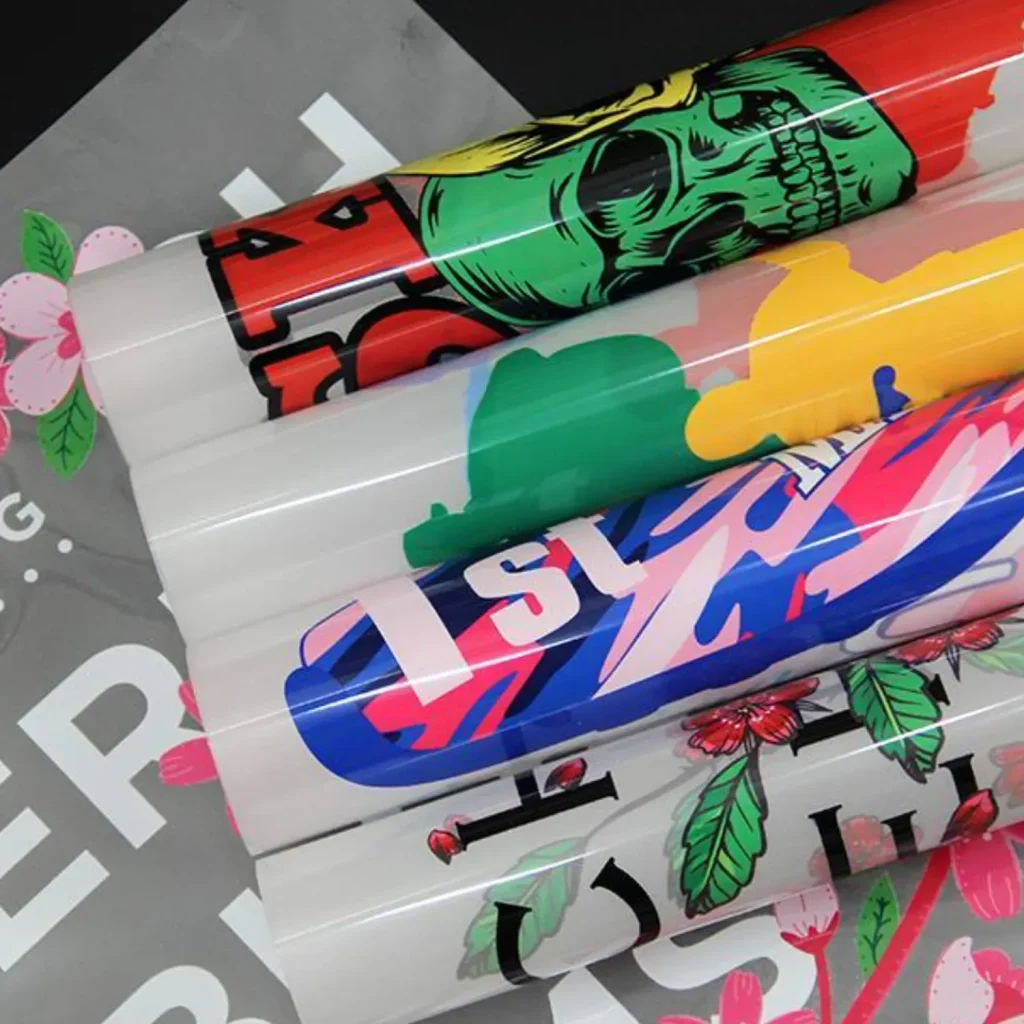
DTF substrates form the foundation of vibrant, durable prints in direct-to-film applications, guiding how ink interacts with fabrics, films, and coatings. Choosing the right DTF fabrics and related components affects color fidelity, texture, wash durability, and overall print consistency across production runs. This guide covers DTF printing substrates across polyester films for DTF and coated fabrics, highlighting the best substrates for DTF printing and outlining practical testing steps, pretreatment needs, and application-specific trade-offs. A well-matched substrate also supports reliable powder adhesion and clean transfer using DTF transfer materials for long-lasting results, reducing misprints and post-press touch-ups during production. By evaluating ink absorption, surface tack, and post-press performance, you can optimize projects for shops of any size, from start-ups to established print studios.
Viewed through an LSI lens, the discussion shifts to the surfaces that carry the design, including printing substrates, backing films, and transfer media that partner with DTF inks. Matrices like polyester films for DTF and various fabric backings act as carriers that influence image sharpness, hand feel, and wash resilience. Choosing the right transfer materials and printing carriers requires understanding how ink interacts with each material, how adhesion is maintained, and how the final finish performs under real-world use.
DTF Substrates: Core Surfaces That Shape Every Transfer
DTF substrates encapsulate the surfaces the ink and powder interact with before heat pressing. They directly shape color vibrancy, texture, flexibility, and wash resistance, making substrate choice one of the most impactful decisions in a DTF project. When planning a job, consider how fabrics, films, and coatings will work together with your ink chemistry and powder adhesion to achieve consistent results.
Practically, you’ll encounter three broad substrate families: fabrics, polys (polyester-based materials), and other surfaces like coated films or specialty papers designed for DTF workflows. Each category offers different ink absorption, surface tack, and powder-holding characteristics, so testing across representative materials is essential to find the right fit for a given design.
DTF Fabrics: How Textile Choice Impacts Color, Texture, and Wash Durability
DTF fabrics are the backbone of most applications, and the fabric choice drives the finished print feel, drape, and wash durability. Cotton and cotton blends tend to be comfortable and affordable, while polyester-rich fabrics can yield brighter colors and stronger colorfastness when paired with compatible pretreatment and adhesive systems.
Testing swatches across candidate DTF fabrics helps you compare color vibrancy, edge sharpness, and wash performance. Document fiber content, weave, weight, and pretreatment compatibility to predict long-term durability and to optimize the choice of materials for your target market.
Polyester Films for DTF: The Transfer Medium that Controls Release and Clarity
Polyester films for DTF refer to PET transfer films and coated alternatives used to receive the printed image before transfer. These films provide a stable surface for ink deposition and control release during the heat press, helping reduce bleeding and promote clean edges on the final garment or item.
Selecting polyester films for DTF requires considering thickness, surface finish, ink uptake, and adhesive compatibility. Films in the 75–150 microns range are common because they balance rigidity for handling with flexibility for curved surfaces, while some specialty films optimize tack or release to suit different fabrics and designs.
Best Substrates for DTF Printing: Balancing Performance and Production
Best substrates for DTF printing require balancing color fidelity, hand feel, durability, and production cost. While fabrics may deliver a softer hand, polys often provide colorfast resilience and easier production, so the optimal choice depends on design goals, garment type, and market.
Industry guidance suggests evaluating substrates for how well they pair with DTF transfer materials like inks, powders, and adhesives. The aim is to optimize color edges, wash durability, and cost, which is why many shops maintain a curated set of fabrics and films as exemplars of the best substrates for DTF printing for common applications.
DTF Transfer Materials: Inks, Adhesives, and Pretreatments that Drive Longevity
DTF transfer materials comprise inks, powders, adhesives, and pretreatment chemistries designed to cooperate with the chosen substrate. The compatibility between transfer materials and the substrate determines color vibrancy, edge fidelity, and the strength of the bond after pressing.
Choosing the right pretreatment and topcoat for the substrate can elevate print durability on challenging fabrics, such as dark cottons or synthetic blends. Matching transfer materials to the substrate helps ensure long-term wash performance and a soft hand feel that remains comfortable through repeated wear.
Testing, Validation, and Quality Control for Substrates
Testing and validation are essential to scale DTF production. Build a controlled swatch library across fabric, polyester substrate, and other surfaces, profile inks for each substrate, and calibrate heat press timings to maintain color accuracy and transfer reliability.
Documentation of substrate brands, pretreatment recipes, and process settings supports repeatability and continuous improvement in DTF printing substrates. Regular audits and feedback from designers and operators help identify opportunities to optimize color fidelity, texture, and wash durability across production runs.
Frequently Asked Questions
What are the most important factors when choosing DTF substrates for a project?
Key factors include substrate category (DTF fabrics, polys, or films), fiber content and weight, weave/finish, surface treatment needs, and compatibility with ink, powder, and adhesive. Also assess color fidelity, hand feel, wash durability, and production efficiency. Use swatch testing to identify the best substrates for DTF printing for your project.
How do DTF fabrics influence print quality and wash durability compared to other DTF printing substrates?
DTF fabrics determine ink absorption, edge sharpness, and the final hand feel after transfer. Cotton-rich fabrics can yield crisp details with proper pretreatment, while polyester fabrics offer brighter colors and durability with suitable pretreatments. Always test swatches on representative fabrics to gauge vibrancy, texture, and wash performance when evaluating DTF printing substrates.
Are polyester films for DTF suitable as transfer materials across different fabrics?
Yes. Polyester films for DTF are common transfer materials that provide a stable surface and clean release. Choose PET films with appropriate thickness (commonly 75–150 microns) and surface finish, and ensure compatibility with your powder adhesive and curing temperature. Test film–substrate combinations to confirm ink uptake, adhesion, and transfer quality for DTF transfer materials.
What is an efficient workflow to evaluate DTF substrates before a production run?
Define the end use, assemble candidate substrates (DTF fabrics, polys, and DTF films), and create swatches. Print, cure, and wash or wear-test the samples; profile inks for each substrate and optimize heat press settings. Document results to standardize the best DTF substrates for future production.
What common mistakes should be avoided when selecting DTF substrates?
Avoid skipping swatch testing, ignoring wash durability, and choosing fabrics or films without compatible pretreatment or adhesive. Failing to document process parameters and using a mismatched film thickness can also hurt results. Build a swatch library, test under end-use conditions, and standardize substrate and process data.
How should you test durability and colorfastness for DTF substrates across fabrics, polys, and other transfer surfaces?
Conduct simulated wear tests including multiple washes, abrasion/flex tests, and exposure to light. Compare vibrancy, edge integrity, and adhesion across different DTF substrate types (fabrics, polys, and films). Maintain substrate-specific ink profiles and heat-press parameters to guide production decisions.
| Substrate Category | Key Points |
|---|---|
| Overview | DTF substrates are surfaces that receive the printed design during transfer. They influence color vibrancy, texture, and durability, and fall into three broad categories: fabrics, polys (polyester-based materials), and other surfaces. The goal is to balance ink absorption, surface tack, and powder retention for clean, sharp transfers. |
| Fabrics for DTF | Cotton and blends: absorb ink and yield soft hand; Polyester fabrics: vibrant colors but require pretreatment; Linen and blends: texture and adhesion considerations; Denim and heavier fabrics: heavier, lower absorbency and stiffer hand after transfer; Key factors: fiber content, weight (gsm), weave, surface finish, shrinkage, and pre-treatment requirements. |
| Polys and Other Films | Polys include polyester fabrics and PET films commonly used as transfer media. PET films come in various thicknesses (roughly 75–150 microns) and surface finishes. Choose based on ink uptake, powder adhesion, and transfer temperature; non-woven and coated films offer finish variations for specific substrates. |
| Other Substrates and Surfaces | Leather and faux leather require compatible pretreatments and press schedules. Leatherette and vinyl respond differently to heat and adhesion. Canvas and burlap add texture; specialty textiles like felt may need custom pretreatments and testing to ensure strong ink bonding. |
| How to Choose Substrates | Practical steps: define the application; determine desired hand feel; evaluate color performance; consider wash durability; weigh production efficiency and cost; run swatch tests; document results and standardize your substrate choices to reduce variability. |
| Common Substrate Challenges | Ink bleed on absorbent fabrics; poor adhesion on smooth surfaces; stiff hand on heavy fabrics; uneven transfers on textured fabrics. Remedies include adjusting ink loading and resolution, using appropriate pretreatments or primers, selecting compatible adhesives and temperatures, and refining design to accommodate texture. |
| Testing and Best Practices | Build a controlled swatch library for each substrate category; use a color-management workflow to profile inks and calibrate the heat press; track post-transfer care and washing; solicit feedback from designers and production staff to refine substrate choices and processing steps over time. |
Summary
DTF substrates are essential to achieving vibrant, durable prints across fabrics, polys, and other surfaces. This descriptive overview explains how substrate choice affects color fidelity, texture, wash durability, and production efficiency, and provides practical steps to evaluate and document substrates for consistent results. Start with a clear application goal, test a curated set of fabrics and films, and maintain a detailed record of ink sets, pretreatment, and heat-press settings to build a scalable, repeatable DTF workflow that delivers high-quality prints capable of withstanding real-world washing and wear.