

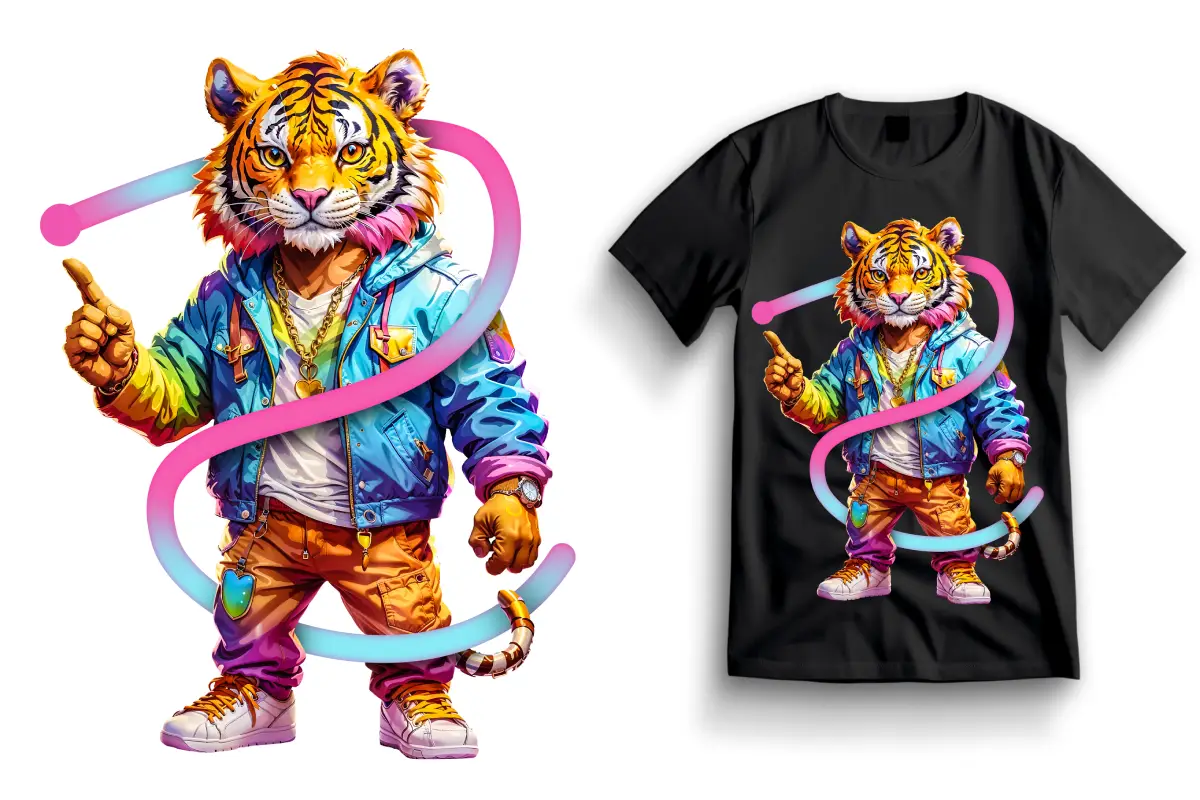
Navigating the complex world of modern textile decoration requires apparel business owners to think carefully about production efficiency, material costs, and print durability. For decades, traditional screen printing systems and direct-to-garment setups stood as the primary commercial production choices, each demanding specific technical trade-offs. Today, the rapid evolution of high-fidelity dtf transfers has fundamentally altered the garment customization playbook by providing a universally adaptable, cost-efficient solution. This digital production methodology allows complex photographic illustrations, rich multi-colored gradients, and thin vector lettering to be printed directly onto specialized carrier films and systematically heat-sealed onto various fabric blends. Implementing this nimble system into your shop workflow eliminates tedious screen setups, lowers chemical handling overhead, and ensures that your final products match high-end retail marketplace standards perfectly.
Deconstructing the Engineering Behind Direct-to-Film Physics
To establish a flawless custom printing pipeline, decoration professionals must understand the internal technical mechanics that govern DTF technology. Unlike older digital decoration techniques where liquid ink layers are applied directly onto porous cotton threads, this methodology separates graphic production from the destination textile entirely. The operation takes place on a heavy polyethylene terephthalate carrier film treated with a heat-sensitive chemical release coating. Industrial inkjet print engines drop a rich layer of cyan, magenta, yellow, and black pigment inks to map out the digital artwork, quickly followed by a dense, high-opacity white ink primer layer that isolates the graphic colors from dark or heavily dyed fabric backgrounds.
While this liquid white base remains wet, the printed sheet moves into a specialized adhesive coating zone. A pulverized thermoplastic polyurethane hot-melt adhesive powder is applied evenly across the entire surface, clinging strictly to the wet white ink layout. An automated mechanical shaker lifts extra loose powder off the unprinted spaces of the clear carrier film, leaving clean margins around your visual design. The material then enters an infrared curing tunnel or a professional heating unit set strictly between 230 and 260 degrees Fahrenheit. This critical thermal cycle melts the solid white powder into a uniform, flexible gel layer that chemically integrates with the underlying ink pigments. Once returned to room temperature, these completed transfer sheets can be handled, stacked, and stored for months, offering apparel decorators exceptional inventory flexibility.
Advanced Heat Press Application Standards for Diversified Textiles
Transforming a cured film sheet into a permanent piece of premium custom clothing demands strict regulation of temperature, cycle duration, and physical downward pressure. Because natural cotton fibers, delicate performance polyesters, and heavy blend fabrics react differently to sustained thermal exposure, using a single uncalibrated setting across all items will cause edge fraying, poor wash fastness, or scorched fabric threads.
Pre-Pressing and Fabric Conditioning
Always position your blank apparel on the lower platen of your commercial heat press and lower the heating element for three to five seconds before introducing the film. This preliminary press flattens micro-wrinkles that could distort alignment and evaporates ambient moisture trapped within the fabric fibers that might cause small bubbles during the bonding phase.
Substrate Specific Execution Matrix
Let the fabric cool slightly, then place your film sheet down with the dry, textured adhesive side resting directly against the textile. Utilize laser alignment tools or clear t-shirt rulers to guarantee accurate horizontal centering. Lower the press handle firmly. For standard 100 percent cotton t-shirts and heavy fleece hoodies, maintain a temperature range of 295 to 310 degrees Fahrenheit under heavy pressure for twelve to fifteen seconds. For delicate synthetics like polyester athletic uniforms, lower the heat to 275 or 285 degrees Fahrenheit while maintaining medium pressure for fifteen to eighteen seconds to avoid fabric glazing or dye migration.
The Separation and Finishing Phase
The chemical bond between the melted polyurethane layer and the fabric threads stabilizes completely as it transitions away from the heat source. When using cold-peel film variations, transfer the decorated garment to a flat cooling bench and wait until the sheet drops entirely to room temperature. Peeling the plastic carrier film away while the adhesive layer remains warm breaks the physical bond, splitting the ink layer and leaving rough, jagged edges on your artwork. If your shop utilizes hot-peel film varieties, pull the sheet away in a single, smooth motion immediately after the press opens while the material is fully heated. Always perform a secondary five-second finishing press with a sheet of matte parchment paper or a silicone protection sheet over the design to embed the ink deeper into the textile and achieve a premium, soft matte texture.
Strategic Logistics: Streamlining Operations Domestically
In the highly competitive corporate merchandise and custom apparel markets, production speed and logistical reliability are paramount. When a local business or event coordinator places a sudden rush order for hundreds of customized promotional garments, waiting multiple weeks for international shipping or dealing with customs inspections is out of the question. This operational pressure explains why seasoned garment decorators actively search for premium dtf transfers near me to build a stable, regional manufacturing pipeline. Relying on a domestic provider eliminates shipping unpredictability, slashes delivery costs, and drastically reduces your warehouse inventory storage needs.
Working with a close-by supplier allows you to respond dynamically to changing market demands, process late-stage design modifications quickly, and offer rapid turnaround times that distant competitors simply cannot match. Developing a strategic relationship with an accessible regional printer gives your custom apparel brand a distinct competitive advantage, enabling you to fulfill complex bulk orders with zero downtime and protect your operational profit margins from unexpected international supply chain disruptions. By prioritizing local manufacturing resources, print shops can scale up daily output fluidly during peak seasonal cycles.
Unlocking Lonestar Production Infrastructures
Texas has become a massive hub for custom apparel production, driven by a booming corporate economy, thriving athletic organizations, and independent streetwear fashion labels. Meeting this heavy commercial demand requires access to high-volume manufacturing facilities that utilize industrial-grade machinery and premium raw materials. Integrating a reliable Houston dtf transfer pipeline into your daily workflow empowers your print business to scale up production capacities seamlessly without requiring massive initial capital investments in expensive commercial machinery or specialized climate-controlled ventilation setups.
The intense environmental humidity and high temperatures characteristic of the Texas Gulf Coast region mean that printed apparel must be engineered to endure harsh daily conditions. Industrial-grade local suppliers utilize advanced commercial ink formulations and high-elasticity polyurethane adhesive powders designed to resist cracking, peeling, or fading through dozens of intense industrial laundry cycles. When regional businesses choose to partner with an experienced domestic print house like Harwin DTF, they receive consistent, commercial-grade results that match their digital design mockups perfectly, ensuring long-term product reliability for their end consumers.
Physical Inspection Protocols for Verifying Elite Prints
As film-based garment decoration options proliferate throughout the marketplace, the variation in material quality among suppliers has widened considerably. For professional print shops dedicated to protecting their brand reputation, knowing how to identify the absolute best dtf transfer at Houston or any major distribution center is an invaluable skill. Evaluating a transfer print involves a meticulous physical inspection focusing on ink deposition clarity, elasticity, and background opacity.
- Visual Accuracy and Registration Calibration: Examine the unapplied print sheet under strong, direct light. The ink deposition must look solid and consistent, showing no signs of small pinholes, oil spots, or fine horizontal banding lines caused by restricted printhead nozzles. The white backing must line up perfectly with the CMYK artwork, showing no registration overlap or white outlines peeking out around the borders.
- Structural Elasticity and Hand-Feel: Test a pressed sample swatch by stretching the fabric horizontally. A premium-grade design will stretch naturally alongside the textile fibers and return to shape without showing micro-fractures, edge curling, or surface splitting. If the pressed sample feels heavy, thick, or mimics a stiff layer of plastic vinyl, it shows the manufacturer applied low-grade adhesive powder or uncalibrated white ink saturation levels.
- True Background Opacity: Apply a vibrant, multi-colored graphic onto a dark charcoal or pitch-black polyester garment. A high-caliber transfer will show absolute color purity, keeping the dark background dyes from migrating upward and dulling the bright colors of your design.
Frequently Asked Questions Regarding Industrial Film Prints
What is the baseline laundry durability of a professionally prepared film print?
When printed with commercial pigment inks and applied using precise temperature, duration, and pressure configurations, a premium-grade custom transfer will easily withstand fifty to sixty washing machine cycles before showing any structural wear or color fading. To achieve maximum print longevity, always instruct end users to wash the decorated clothing items inside out utilizing cold water and mild liquid detergents, while avoiding high-heat commercial clothes dryers.
Can a standard consumer clothing iron yield retail-quality transfer results?
While a household clothing iron can generate enough surface heat to melt the thermoplastic powder, it is highly discouraged for commercial retail apparel production. Household irons cannot provide perfectly uniform thermal distribution across their base plate and lack the capability to deliver the consistent, high physical pressure needed to force the melted adhesive deep into the fabric weave, which usually leads to the design peeling away after just a few wash cycles.
What is the recommended climate control method for preserving unused transfer sheets?
Unused transfer sheets must be stored in a cool, dark, climate-controlled room away from direct solar exposure, extreme temperature spikes, and high humidity levels. The most effective protocol is to lay the film sheets perfectly flat inside an airtight plastic storage bin or a heavy resealable poly bag containing several moisture-absorbing silica gel packets. Keeping the storage environment dry prevents the cured adhesive powder from absorbing atmospheric moisture, which can cause texturing issues or bonding failures during subsequent heat pressing steps.
Why are the corners of my applied graphic lifting away after cooling?
Lifting along the thin design margins or minor surface bubbling is almost always caused by inadequate heat press pressure, inaccurate temperature calibration, or hidden moisture trapped inside the garment fibers before pressing. To resolve this problem, verify your heat press platen temperatures using an external infrared thermometer, increase your mechanical pressure settings to a firm level, and always conduct a full three to five second pre-press to completely vaporize any ambient moisture residing within the blank textile before placing your film sheet.
Driving Brand Longevity with Specialized Manufacturing Support
Succeeding in the modern custom apparel landscape requires a calculated blend of cutting-edge production materials, flawless heat press techniques, and highly efficient local logistics. By understanding the chemical engineering behind film-based printing and carefully calibrating your application parameters for various fabric blends, you can easily create beautiful retail-ready garments that stand the test of time. Partnering with a dedicated regional manufacturing specialist like Harwin DTF provides your business with consistent commercial print clarity, vibrant color accuracy, and the rapid order fulfillment speeds necessary to satisfy a demanding customer base. Elevate your brand standards, optimize your workshop output, and offer your clients unparalleled garment longevity by choosing Harwin DTF as your trusted companion for custom textile decoration excellence.
Anahtar Kelime: DTF Kategori: DTF Transfers