
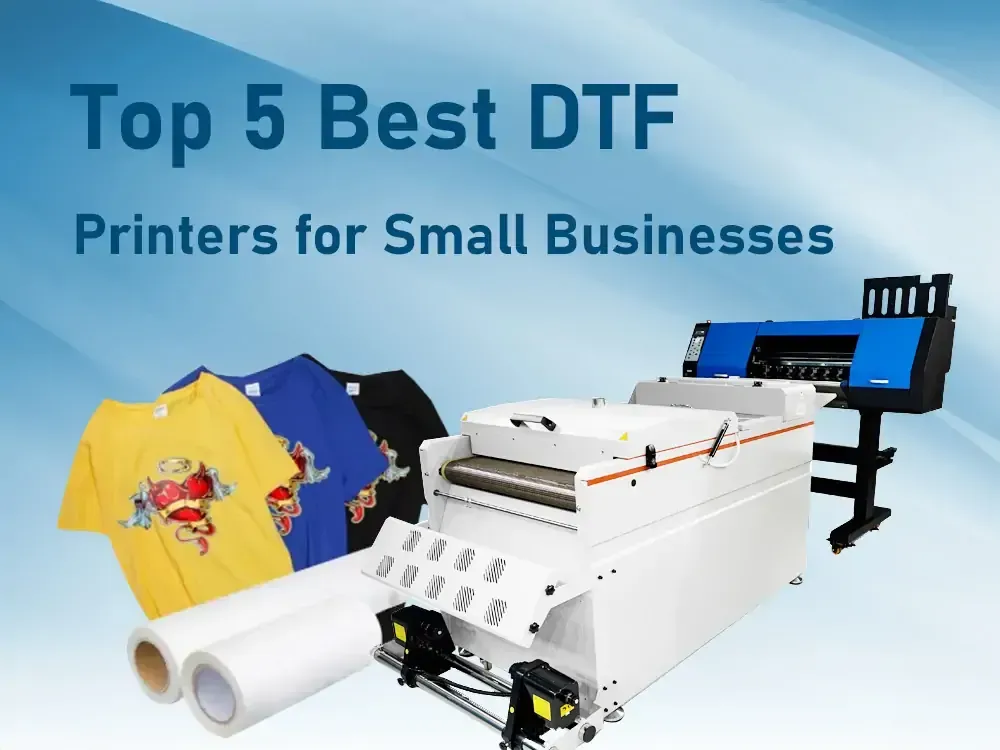
DTF for small businesses is reshaping how brands decorate fabrics, balancing cost, speed, and quality for competitive apparel lines. As more shops adopt DTF printing for apparel, they discover advantages like vibrant colors and reliable performance across a range of fabrics. To make informed choices, you should look at DTF cost analysis, not just upfront equipment, but ongoing consumables and maintenance. For many teams, understanding DTF printing speed helps match production timelines with customer promises, whether you run small batches or mid-size orders. Compared with alternatives such as DTF vs screen printing, the flexibility of a direct-to-film printing workflow can unlock new product opportunities.
In broader terms, this film-transfer approach, often branded as a modern direct-to-film workflow, is a flexible solution for on-demand and small-batch decoration. Also described as a print-on-film system or heat-transfer method, it enables vibrant imagery on cotton, blends, and even darker textiles without the hefty screen-print setup. From an operations perspective, companies weigh turnaround speed, consumable costs, and workflow efficiency as part of a complete apparel decoration strategy. As you map this option into a product line, think about compatibility with your existing supplier network, color management practices, and the potential for scalable growth. By comparing it with alternative textile printing approaches through an informed lens, you can align your branding goals with practical production realities.
DTF for small businesses: Balancing Cost, Speed, and Quality
DTF for small businesses is a hot topic for entrepreneurs weighing the trade-offs between cost, speed, and quality in fabric decoration. Direct-to-Film (DTF) printing has emerged as a versatile option for producing apparel, promo items, and small-batch orders without the high setup costs of traditional screen printing or the slower turnaround often associated with some direct-to-garment (DTG) methods. This article explores how to evaluate DTF by examining total cost, printing speed, and output quality, and it offers practical tips to maximize ROI.
To choose wisely, small business owners should ground decisions in a clear cost-versus-value framework. This means analyzing DTF cost analysis alongside expected order profiles, set-up requirements, and ongoing consumables. When you frame the choice around upfront investment, per-unit materials, and labor, you can forecast margins more accurately and determine whether DTF for small businesses aligns with your product lineup and delivery promises.
DTF Printing for Apparel: Why It’s a Flexible Choice for Diverse Fabrics
DTF printing for apparel offers flexibility that can adapt to a wide range of fabrics, including cotton, polyester, blends, and even some darker textiles. The ability to layer vibrant colors with a white underbase on dark fabrics expands design options without the heavy commitments of traditional screen printing. For many shops, this translates to broader product offerings and faster market testing with less risk.
A key part of the Direct-to-Film printing workflow is understanding how film, adhesive powder, and curing interact to produce durable finishes. Preparation steps like proper file setup, color management, and ensuring clean prepress workflows help maintain consistency across runs. By integrating efficient workflow practices, shops can balance speed and quality while keeping a lid on costs.
DTF Cost Analysis: Calculating True Per-Unit Costs and Profitability
DTF cost analysis for small businesses focuses on distinguishing fixed costs (equipment, space, electricity) from variable costs (films, powders, inks, and maintenance). Understanding these drivers helps determine the true cost per item and whether the investment pays off for small runs or on-demand orders. A clear cost model also supports pricing strategies that protect margins even as design complexity grows.
Strategies to optimize DTF cost efficiency include bulk purchasing of consumables, negotiating supplier terms, and implementing waste-reducing workflows. Regular maintenance and preventive checks minimize downtime that can erode profitability. By tracking real-world data on material usage and yield, you can refine your cost analysis and improve ROI over time.
DTF Printing Speed: Maximizing Throughput for Small Teams
DTF printing speed is influenced by printer capabilities, color complexity, and the efficiency of the post-press workflow. For small teams, understanding these factors helps set realistic turnaround times and protect commitments to customers. Faster print cycles aren’t just about the press; they also depend on how quickly you can coat, cure, and transfer films in a streamlined sequence.
Practical speed optimization includes batch processing, thoughtful job sequencing, and clear line layouts that minimize handling time. Segmenting orders into high-velocity, simple designs and more complex ones allows you to balance throughput with quality. Comparing DTF printing speed to other methods—like screen printing for large runs or DTG for bespoke pieces—helps you choose the right method for each job.
DTF vs Screen Printing: When DTF Wins for Small Runs and Mixed Fabrics
DTF vs screen printing often hinges on run size, color complexity, and fabric variety. For small to medium runs with multi-color designs and mixed fabrics, DTF reduces setup time and avoids plate preparation, making it a practical alternative to traditional screens. This flexibility can shorten lead times and preserve margins on diverse product lines.
While screen printing may still win on very large runs of a single color or simple design, DTF shines for varied orders, dark fabrics, and rapid product iterations. Understanding the trade-offs—setup, per-unit costs, and print quality on multiple substrates—helps you allocate production capacity where DTF provides the strongest ROI.
Direct-to-Film Printing Workflow: Best Practices for Efficiency and Output Quality
Direct-to-film printing workflow optimization starts with solid file preparation, color management, and a reliable post-press sequence. By standardizing steps—from design export and ICC profiles to film coating and curing—you create consistency across orders and reduce reprints. This foundation supports predictable lead times and stable output quality.
Key workflow practices include maintaining a well-organized SOP, testing materials from multiple suppliers, and implementing robust quality control checks at the garment level. Investing in equipment maintenance, training, and vendor relationships helps sustain high-quality results and efficient production cycles, ensuring that DTF delivers the promised speed and durability across diverse fabrics.
Frequently Asked Questions
What is DTF printing for apparel and why is it a good option for small businesses?
DTF printing for apparel is a transfer-based method where designs are printed on a film with pigment inks, then heat-transferred to fabric using an adhesive powder. It delivers vibrant, full-color prints on a wide range of fabrics and typically requires lower setup costs and faster changeovers than traditional screen printing, making it well-suited for small runs, on-demand orders, and diverse product lines.
How does DTF cost analysis influence budgeting for small businesses?
DTF cost analysis splits costs into fixed (equipment, space, electricity) and variable (films, adhesive powders, inks, maintenance, labor). Manage cost per unit by planning batch production, negotiating supplier pricing, choosing efficient workflows, and considering financing to spread upfront capital. This helps estimate break-even points and profitability for your DTF workflow.
What factors affect DTF printing speed and how can small teams optimize throughput?
DTF printing speed depends on design complexity, color layers, printer speed, and post-press steps (powdering, curing, pressing). Optimize throughput with batch processing, standardized SOPs, some automation where feasible, and by segmenting orders so simpler designs move faster while complex ones get dedicated cycles.
DTF vs screen printing: should a small business choose DTF for apparel?
DTF shines for small-to-medium runs, diverse fabrics, and complex or multicolor designs due to lower setup costs and quick changeovers. Screen printing is more economical for very large runs with simple color schemes. For mixed fabrics and on-demand apparel, DTF for small businesses often provides a better balance of cost, speed, and flexibility.
What is the Direct-to-film printing workflow and what equipment does it require?
The direct-to-film printing workflow involves preparing artwork, printing the design on pigment inks onto a transfer film, applying adhesive powder, curing the film, then heat-pressing the print onto fabric. Core equipment includes a pigment-ink DTF printer, a heat press, curing equipment, and consumables such as films, adhesive powders, and bonding agents. A well-planned workflow and regular maintenance help maintain consistent quality.
What ROI and decision framework should guide adopting DTF for small businesses?
Develop an ROI framework for DTF for small businesses that includes upfront capital, ongoing consumables, maintenance, and labor, then compare it to current printing costs at projected sales volume. Start with a pilot line, document an SOP, track metrics like time per print, material waste, and returns, and plan for scale as demand grows. This data-driven approach helps you decide when DTF delivers sustainable margins.
| Topic | Key Points |
|---|---|
| What is DTF Printing | DTF is a transfer-based method where designs are printed on film using pigment inks and heat-pressed onto fabric with an adhesive powder. It yields durable, full-color images across cotton, polyester, blends, and dark fabrics, offering vibrant color and a softer hand feel with lower setup than some screen-printed or DTG processes. |
| Equipment and Setup | Includes a pigment-ink printer, heat press, curing equipment, and consumables (film, adhesive powder, inks). Costs vary; consider new or refurbished gear and automation vs. manual workflows. |
| Costs and ROI | Fixed costs (equipment, space, electricity) and variable costs (consumables, maintenance, labor). Capex ranges from a few thousand to over ten thousand dollars; leasing/financing options can help. Manage per-unit cost with bulk buying and waste reduction; use an ROI framework. |
| Speed and Throughput | Speed depends on printer capability and color complexity; post-press steps add time. Use batch processing and production-line segmentation to optimize throughput; plan realistic lead times and compare with screen printing or DTG where appropriate. |
| Quality Aspects | Key factors include color fidelity, white underbase for dark fabrics, hand feel, wash durability, and fabric versatility. Proper color management and curing improve consistency across orders. |
| Workflow and Efficiency | Design/file prep, proofs, material selection, curing/press settings, and simple QC checks. Develop SOPs to ensure consistent outputs and quick ramp-ups. |
| DTF vs Other Methods | DTF often suits small-to-medium runs and mixed fabrics better than screen printing (lower setup) and can handle complex, colorful designs. Compared with DTG, DTF may offer faster turnarounds and broader fabric compatibility, though DTG provides ultra-soft hand feel on light fabrics. |
| Pitfalls and How to Avoid Them | Common issues include rushed setup and learning curves, inconsistent consumables, overreliance on a single supplier, inadequate curing/press temperatures, and maintenance neglect. Mitigate with pilot tests, multiple suppliers, clear curing parameters, and scheduled maintenance. |
| Practical Tips to Start | Run a pilot line across fabrics, document SOPs, optimize packaging and care instructions, educate customers on durability, and build a support network with peers and vendors. |
Summary
DTF for small businesses offers a versatile, cost-conscious path to on-demand apparel and promo items with strong color fidelity. This descriptive overview highlights how to balance upfront investment, ongoing consumables, production speed, and output quality to maximize ROI. By adopting reliable materials, standardized workflows, and ongoing measurement, small shops can achieve competitive margins and satisfy customers with durable, vibrant DTF prints across a range of fabrics.