
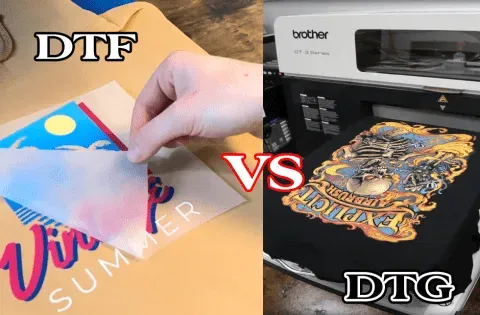
DTF vs DTG is a central debate for apparel brands exploring digital printing options. Understanding the DTF printing benefits alongside DTG printing advantages helps brands match fabric needs with performance. Durability considerations across blends and cotton influence long-term wear. A detailed cost comparison shows how volume, fabric variety, and setup impact profitability. Ultimately, selection comes from aligning design ambitions with production realities.
As a frame, brands often compare two popular digital textile approaches—film-based transfers and direct-to-garment printing—to find the right fit. Film-based transfer (DTF) and direct-to-fabric printing (DTG) each offer distinct advantages in color depth, hand feel, and wash durability. LSI-friendly terminology such as print-on-film, heat-transfer film, garment-direct printing, and inkjet-on-textile helps content align with how readers search for these techniques. The takeaway is to map product goals to fabric compatibility and production realities, rather than seeking a single universally superior method.
Understanding DTF vs DTG: A Quick Comparison for Apparel Brands
Choosing between DTF and DTG begins with a clear view of what each technology delivers for an apparel brand. This introductory comparison sets the stage for evaluating practical scenarios, costs, and timelines, while highlighting how DTF printing benefits and DTG printing advantages map to different product goals. By focusing on fabric compatibility, color fidelity, and production speed, brands can seed a structured framework for decision-making that aligns with their market position and profitability.
In practice, the best printing method for an apparel brand depends more on your fabric mix, order cadence, and budget than on a single tech spec. This section introduces the lens you will use to evaluate durability, scale, and design flexibility, using the terms DTF printing benefits and DTG printing advantages to frame the discussion and set expectations for where each method shines.
DTF printing benefits for multi-fabric lines and bulk orders
DTF printing benefits extend beyond simple tees into a wide range of fabrics, including poly blends and performance textiles. Its ability to adhere to diverse substrates and produce strong color reproduction—even on dark fabrics with an effective white underbase—gives brands flexibility to expand product lines without retooling. This broad substrate compatibility is a core facet of DTF printing benefits that translates into fewer fabric limitations per collection.
For small-batch or mixed-product runs, DTF offers cost and operational advantages, enabling rapid design changes and lower minimums. The workflow tolerates frequent updates without recalibrating presses for every new job, which supports agile product launches. By leveraging DTF printing benefits, apparel brands can test concepts quickly while maintaining print quality across a multi-material catalog.
DTG printing advantages for cotton-focused lines and premium aesthetics
DTG printing advantages are most evident on 100% cotton and light fabrics, where high-resolution artwork and gradients shine. The soft hand and vibrant color depth characterize DTG results, making it a preferred option for premium lines that prioritize a luxurious feel and photo-realistic imagery. This DTG-specific strength aligns with brands seeking a gentle hand on cotton garments and crisp detail in complex artwork.
DTG also supports fast turnarounds on small to mid-size cotton orders, with minimal setup changes between designs. The ability to reproduce delicate shading and fine typography makes DTG a strong fit for color-rich artwork and small batches where cotton aesthetics are central. For brands prioritizing detail-driven designs and rapid iteration on cotton, DTG delivers compelling value.
DTF vs DTG durability and performance: Which holds up across fabrics
Durability is a practical test that varies by fabric type and care. DTF durability advantages come from a robust adhesive bond that resists cracking and peeling across a broad fabric range, including blends and synthetics when properly cured. In mixed-material lines or performance wear, this cross-fabric resilience makes DTF a reliable choice for long-lasting prints on diverse textiles.
DTG durability shines on 100% cotton, delivering strong color fidelity and detail through multiple wash cycles when pre-treatment and curing are optimized. However, darker or highly textured fabrics can challenge DTG’s performance, and the white underbase used on dark garments can affect hand feel. Evaluating DTF vs DTG durability requires considering fabric type, care practices, and expected wear to determine which method sustains image integrity best over time.
Cost, speed, and scalability: DTF vs DTG cost comparison for growing brands
Cost considerations are central to deciding between DTF and DTG as you scale. DTF can lower per-unit costs on larger runs and across mixed fabric lines due to broader substrate compatibility and a simpler heat-press workflow for many garments. The economic case for DTF often includes lower minimums and the ability to print on a wider array of products, reducing inventory risk and expanding catalog potential.
DTG cost comparison frequently shows higher per-unit costs driven by ink usage, maintenance, and the need for high-end cotton-optimized printers. That said, for small, highly specialized cotton runs with premium artwork, DTG can be cost-effective when margins are favorable and turnaround is critical. Brands with frequent design changes on cotton may find a favorable balance between quality and price with DTG, especially in narrow product segments.
How to choose the best printing method for your apparel brand: a practical decision framework
To select the best printing method, map your product goals to the strengths of each technology. Consider fabric mix, desired finish, color fidelity, and order size, and use these inputs to evaluate DTF printing benefits, DTG printing advantages, and how each method aligns with durability expectations and operations. This evidence-based approach helps you chart a clear path toward the method that delivers reliable quality while supporting growth.
Many brands prefer a hybrid approach: use DTG for cotton-focused lines and reserve DTF for blends or non-traditional fabrics. This strategy maximizes color vibrancy on cotton while maintaining cross-fabric flexibility and cost efficiency. By tying your decision to catalog requirements and customer expectations, you optimize for speed, quality, and profitability rather than chasing a one-size-fits-all solution.
Frequently Asked Questions
What are the key differences between DTF vs DTG for apparel brands?
DTF vs DTG: DTF is film-based and works across a wide range of fabrics, including blends and synthetics, with strong color saturation and durable adhesion. DTG prints directly on cotton and light fabrics, delivering ultra-fine detail and a soft hand. For brands, choose DTF for diverse fabrics and lower minimums, or DTG for high-detail work on cotton with fast small-batch turns.
DTF printing benefits vs DTG printing advantages: which is better for mixed fabrics?
DTF printing benefits include broad substrate compatibility, vibrant color on dark fabrics with a white underbase, and cost efficiency for mixed runs. DTG printing advantages shine with ultra-fine detail, smooth gradients, and a premium hand on cotton. The best fit depends on your fabric mix, design goals, and production scale.
DTF vs DTG durability: how do they hold up after multiple washes?
DTF vs DTG durability varies by context. DTF generally delivers durable color and adhesion across diverse fabrics when properly cured, including blends and synthetics. DTG durability is strongest on 100% cotton with proper pretreatment, but can be less robust on darker or textured fabrics. In practice, DTF often provides consistent durability across fabrics, while DTG excels in detailed prints on compatible cotton.
DTF vs DTG cost comparison: which method offers lower per-unit costs?
DTF vs DTG cost comparison shows that DTF can offer lower per-unit costs for larger runs and mixed fabrics due to broader substrate options and simpler heat-press steps. DTG typically has higher per-unit costs because of ink use, maintenance, and equipment requirements, though small premium cotton runs can be cost-effective. For catalogs with diverse fabrics, DTF is often more economical; for cotton-focused lines with high-detail artwork, DTG may be justified.
What is the best printing method for apparel brands with diverse fabrics and fast turnaround needs?
Best printing method for apparel brand decisions often favor a hybrid approach: use DTF for diverse fabrics and lower minimums, and DTG for cotton-focused, detail-rich items with quick turnarounds. Map your typical order size, fabric mix, and turnaround requirements to your workflow, and consider using DTG for cotton lines and DTF for blends to optimize quality and throughput.
DTG printing advantages vs DTF printing benefits: how do color quality and fabric compatibility influence the choice?
DTG printing advantages focus on exceptional color detail and gradients on light, smooth cotton, while DTF printing benefits emphasize versatility across many fabrics and strong color on dark garments. If your priority is delicate shading on cotton, DTG may win; if you need consistent results across blends and performance fabrics, DTF is typically the better fit. Assess your fabric base, print priorities, and production mix to choose the method that aligns with your brand goals.
| Aspect | DTF (Direct-to-Film) | DTG (Direct-to-Garment) |
|---|---|---|
| Fabric compatibility | Broad fabric compatibility (blends, polyesters, performance fabrics) | Best on 100% cotton or light fabrics; blends may require pre-treatment. |
| Color reproduction and opacity on dark fabrics | High opacity with white underbase; strong color on dark fabrics | Excellent on light fabrics; dark fabrics may require underbase and can affect hand |
| Hand feel / texture | Print layer sits on adhesive; may be slightly thicker; proper curing helps | Soft hand; ink sits on fabric surface; very soft on cotton |
| Durability and wash performance | Durable across fabrics with proper cure; robust color fidelity | Excellent on 100% cotton; underbase can add stiffness on some fabrics |
| Cost per unit / scalability | Lower minimums; cost-effective for large runs; less waste | Higher per-unit cost; cost-effective for small premium runs on cotton |
| Production speed / setup | Efficient for mixed runs; fewer calibration steps; scalable | Quicker for small cotton orders; may require pre-treatment; color changes slower |
| Environmental considerations | Powder adhesives/films; disposal/control needed | Water-based inks; eco-friendly per garment when managed well |
| Practical decision guide | Flexible across fabrics; lower minimums; strong performance on diverse textiles | Premium cotton focus; high-detail artwork; soft hand; mixed approaches common |
| Bottom line | Not a one-size-fits-all; combine methods for breadth and profitability. | Often part of a hybrid strategy; match to product goals and fabric |
Summary
DTF vs DTG comes down to the specifics of your product line, production workflow, and financial model. DTF shines with multi-fabric versatility, strong color on dark garments, and lower minimums for mixed runs, while DTG excels in high-detail artwork, ultra-soft hand on cotton, and quick-turnaround for small, premium orders. A pragmatic strategy often blends both methods to expand product offerings without sacrificing quality or profitability. Consider durability, cost, design flexibility, and fabric compatibility to map the best path for your brand. This decision supports scalable, high-quality apparel that resonates with customers.