
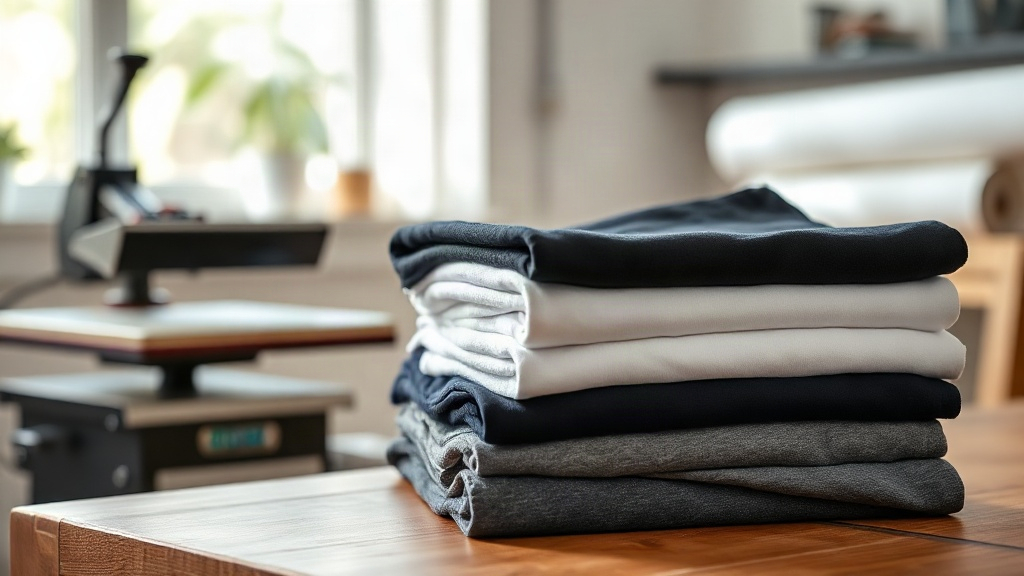
When you're in the business of custom apparel, the blank you choose can make or break your final product. Shaka Wear has quietly become a favorite among printers who demand consistency, comfort, and a canvas that takes ink like a dream. Whether you're running a small DTF setup or a full-scale screen printing shop, understanding what makes Shaka Wear tick will help you deliver results that keep customers coming back.
Why Shaka Wear Stands Out in the Blank Apparel Market
Shaka Wear isn't just another blank brand. Founded in Los Angeles, the company built its reputation on heavyweight fabrics and a fit that flatters without feeling restrictive. Their tees, hoodies, and crewnecks are staples in streetwear culture, but their appeal goes far beyond fashion. For printers, the real value lies in how these garments handle decoration.
Most Shaka Wear styles use 100% cotton or cotton-poly blends that are tightly knit, which means less ink bleed and sharper details. The fabric weight, often 6.0 oz or heavier for tees, provides a substantial feel that customers associate with quality. When you hand someone a shirt that feels this good, they're already halfway to loving your print.
Fabric Quality and Construction
Shaka Wear sources long-staple cotton, which results in a smoother surface and fewer stray fibers. This is crucial for DTF printing because the adhesive powder needs a clean surface to bond properly. Cheaper blanks with loose weave can cause the transfer to lift or crack prematurely. With Shaka Wear, the tight knit creates an ideal foundation for both DTF and screen printing.
Another detail printers notice is the consistent dyeing. Shaka Wear garments hold their color well after washing, which matters when you're printing white ink on dark fabrics. A blank that fades unevenly will make even the best print look tired. Shaka Wear's dyeing process ensures that black stays black and navy stays navy, wash after wash.
Choosing the Right Shaka Wear Blank for Your Project
Not all Shaka Wear styles are created equal, and picking the right one depends on your decoration method and end use. Here's a quick breakdown of popular options:
- Shaka Wear Heavyweight Tee (SHTH): 6.0 oz, 100% cotton, boxy fit. Great for DTF and screen printing. The heavyweight fabric minimizes ink show-through.
- Shaka Wear Hoodie (SHH): 8.0 oz, cotton-poly blend. Ideal for embroidery and DTF on hoodies, though pre-pressing is essential to flatten the surface.
- Shaka Wear Crewneck (SHCR): 7.5 oz, ring-spun cotton. Soft and smooth, perfect for detailed DTF transfers.
- Shaka Wear Long Sleeve (SHLS): 5.5 oz, 100% cotton. Lightweight but durable, good for layering prints.
Each style has its quirks, so always test a sample before committing to a large order. For instance, the hoodie's pouch pocket can interfere with large front prints. You'll need to adjust your placement or choose a different style if your design wraps around the pocket area.
Fit and Sizing Considerations
Shaka Wear tends to run true to size, but their boxy cuts mean a medium fits more like a generous medium. If your customers prefer a fitted look, suggest sizing down. For DTF printing, the fit affects how the transfer sits on the body. A boxy tee might cause the print to stretch across the chest, so consider using a slightly larger transfer or adjusting your design to account for the drape.
Also, pay attention to shrinkage. Shaka Wear tees are pre-shrunk, but a small amount of shrinkage (around 3-5%) can still occur after the first wash. If you're printing for a client who expects exact dimensions, advise them to wash cold and hang dry to maintain the print and fit.
DTF Printing on Shaka Wear: Best Practices
DTF printing has revolutionized custom apparel because it allows for full-color, detailed designs without the setup costs of screen printing. But to get the most out of your Shaka Wear blanks, follow these guidelines.
Pre-Treatment and Pressing
Before pressing your DTF transfer, pre-press the garment for 5-10 seconds to remove moisture and wrinkles. This step is non-negotiable with Shaka Wear because their heavyweight fabrics can trap moisture, leading to poor adhesion. Set your heat press to 325°F (160°C) with medium pressure. For hoodies, use a pressing pillow to avoid flattening the seams.
After pressing the transfer (usually 10-15 seconds), peel the film while it's still warm for a matte finish, or let it cool for a glossy look. Shaka Wear's tight weave means you can often get away with a cold peel without the design cracking, but always follow your transfer supplier's instructions.
Avoiding Common Pitfalls
One mistake printers make with Shaka Wear is using too much pressure. The fabric is durable, but excessive pressure can cause the transfer to spread and lose fine detail. Start with medium pressure and adjust based on your test. Another pitfall is skipping the pre-press on dark garments. Dark Shaka Wear tees, especially black, can show a faint outline if the fabric isn't completely flat. A good pre-press eliminates that.
If you're printing on blends like the Shaka Wear hoodie, lower your temperature slightly to 300°F to prevent scorching. Polyester in the blend can be sensitive to high heat, and you don't want a shiny mark on your finished product.
Comparing Shaka Wear to Other Popular Blanks
How does Shaka Wear stack up against giants like Gildan or Bella+Canvas? It depends on your priorities. Gildan is budget-friendly and widely available, but their lighter fabrics can feel flimsy. Bella+Canvas offers a softer, retail-fit tee that's great for fashion prints, but some printers find it too thin for DTF on dark colors. Shaka Wear sits in the middle: heavier than Bella+Canvas, more stylish than Gildan, and priced competitively.
For streetwear brands, Shaka Wear's boxy fit and heavyweight feel are a major selling point. Customers who buy a Shaka Wear tee expect it to last, and that perception extends to your print. When you use a premium blank, you can charge more for your work because the end product feels premium.
Where to Buy Shaka Wear Blanks
Shaka Wear is available through major wholesale distributors like S&S Activewear, TSC Apparel, and Alphabroder. You can also find them on Amazon and eBay, but be cautious of counterfeit products. Always buy from authorized dealers to ensure you're getting genuine Shaka Wear quality. Prices vary by style and quantity, but expect to pay around $6-$12 per tee, depending on the weight and blend.
If you're new to Shaka Wear, order a sample pack first. Test different styles with your DTF printer to see which ones give you the best results. Once you find your favorites, stock up. Popular sizes like medium and large tend to sell out quickly during peak seasons.
Frequently Asked Questions About Shaka Wear
Is Shaka Wear good for DTF printing?
Yes, Shaka Wear is excellent for DTF printing. Their tightly woven fabrics provide a smooth surface that helps the transfer adhere well, and the heavyweight cotton resists ink show-through. Just remember to pre-press and use medium pressure.
Do Shaka Wear shirts shrink after washing?
Shaka Wear tees are pre-shrunk, but you may still see minimal shrinkage (3-5%) if you wash in hot water and tumble dry on high. To minimize shrinkage, wash cold and hang dry.
What is the best Shaka Wear style for screen printing?
The Shaka Wear Heavyweight Tee (SHTH) is a top pick for screen printing because its 6.0 oz cotton holds ink well and provides a flat surface. The crewneck (SHCR) is also popular for its smooth ring-spun fabric.
Are Shaka Wear blanks true to size?
Shaka Wear generally runs true to size, but their boxy fit means some customers prefer to size down for a more fitted look. Always check the size chart and consider ordering a sample if you're unsure.
Can I use Shaka Wear for embroidery?
Absolutely. Shaka Wear hoodies and crewnecks are great for embroidery, especially the heavier weights. Use a stabilizer to prevent puckering, and test on a scrap piece first to dial in your settings.