
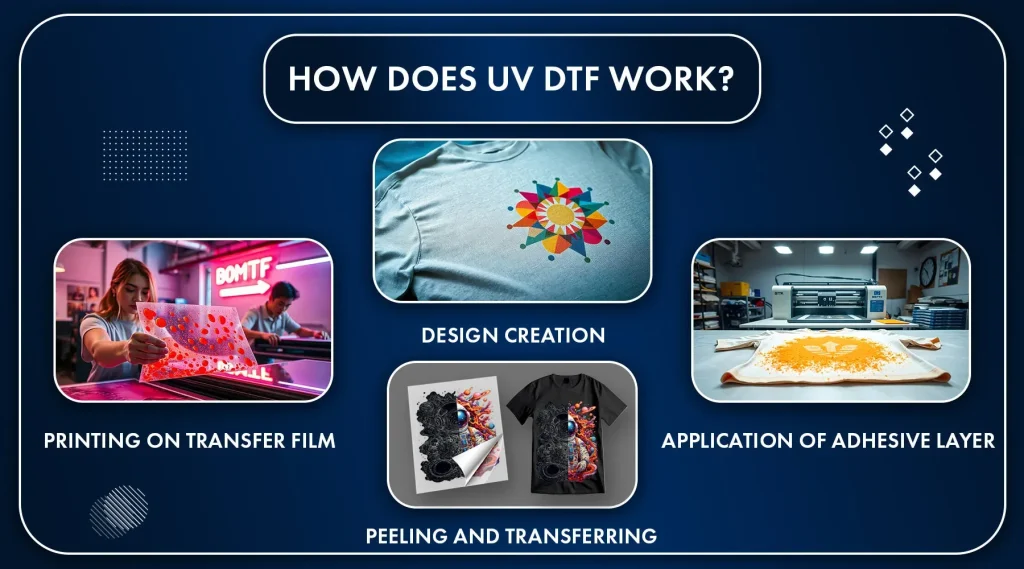
UV DTF transfer marketing is more than a technique—it’s a strategic bridge from idea to market, guiding designers, printers, and retailers through a coordinated cycle of concept ideation, design refinement, production standards, and customer engagement, with an emphasis on integration that supports better search visibility, targeted messaging, and measurable outcomes. In practice, it unites UV DTF transfers and the DTF printing workflow to ensure precise color fidelity, substrate compatibility across cotton, blends, and synthetics, and durable results that translate into compelling apparel offerings, season after season, while enabling keyword-rich storytelling that resonates with shoppers. A solid strategy aligns concept, production, and promotion, turning concepts into popular products through direct-to-film marketing strategies that educate buyers, build trust, demonstrate value, and reduce friction in the purchasing journey, thereby strengthening brand equity across price tiers and markets. By highlighting custom transfer designs, clear value propositions, post-purchase care guidance, and fast, reliable fulfillment, brands can differentiate themselves on social feeds, product pages, and marketplaces where buyers compare options and make decisions, with optimized metadata and alt text to boost search visibility. This introductory section sets the stage for scalable growth, showing how to balance aesthetics with education, pricing, channels, content formats, and rigorous quality controls to build loyal, repeat customers who advocate for your UV DTF transfer innovations.
From a terminology standpoint, marketers can discuss UV-curable films, digital-to-film (DTF) transfers, and heat-applied graphics that deliver crisp imagery on a range of fabrics. These terms pair with broader topics like DTF printing workflows, substrate compatibility, and brand storytelling through custom transfer designs that customers can personalize. LSI-friendly framing also covers distribution channels, pricing strategies, and education about heat-press settings, care instructions, and durability to help stores explain value without fixating on a single keyword. In practice, you connect visual strategy to product experience by describing apparel transfer techniques, on-demand production, and scalable fulfillment in a way that maps to shopper intent. The result is content that signals expertise to search engines and clarity to buyers, reinforcing the same marketing goals through semantically related terms.
From Idea to Market: Building a UV DTF transfer marketing Strategy
Turning a concept into a market-ready product begins with a solid marketing strategy that centers the customer and the value of UV DTF transfers. In this space, success hinges on identifying who will wear or use the transfer, what story it tells, and why it matters to the buyer. By grounding concept development in direct-to-film marketing strategies, you can align design choices with substrate capabilities, color performance, and durability expectations. Emphasizing UV DTF transfers, DTF printing quality, and app-dependent color fidelity helps you frame a compelling offer from day one, while opportunities to bundle designs or run seasonal drops broaden the concept’s reach to apparel enthusiasts and small brands alike.
Next, translate concept into a repeatable workflow that maps directly to customer needs and measurable outcomes. Pair every design with a defined audience, a clear value proposition, and testable sales channels. Create design briefs that specify substrate compatibility, curing requirements, and care instructions so production remains predictable. Develop marketing content that demonstrates color depth and durability, and implement a simple KPI framework to track impressions, add-to-cart rates, and repeat purchases. A cohesive UV DTF transfer marketing plan ties concept, production, and promotion into a seamless pipeline that scales with your growth.
Elevating DTF Printing Workflows for Vibrant UV Transfers
Quality in DTF printing sets the foundation for vibrant UV transfers. This means rigorous attention to color management, precise substrate compatibility, and consistent curing to preserve detail after transfer. When you optimize the printing stage, the resulting UV DTF transfers exhibit sharper imagery and deeper color—traits that capture attention across fabrics and surfaces. Integrate ICC profiles, calibrated printers, and standardized test prints to minimize surprises in the final product, ensuring your UV DTF transfers remain visually compelling on both light and dark substrates.
Beyond the press, streamline workflows to sustain quality at scale. Implement robust color management, automated proofing, and precise heat-press settings tailored to different fabrics. Document standard operating procedures so teams can reproduce results consistently as you grow. By aligning DTF printing rigor with the marketing promise of high durability and color accuracy, you reduce returns and build trust with buyers who rely on predictable performance from apparel transfer techniques.
Designing Custom Transfer Designs that Resonate and Sell
Custom transfer designs are the core value proposition of UV DTF transfers. Foster a design process that emphasizes storytelling, brand voice, and the emotional resonance of a design—not just its aesthetics. When customers see a unique transfer design that aligns with their brand or event, they’re drawn to the narrative and the possibility of customization. Position your offerings around distinctive motifs, color storytelling, and the ability to tailor designs to individual substrates, leveraging the strength of custom transfer designs to justify premium pricing.
Showcasing these designs in product pages, galleries, and videos helps buyers imagine how the transfer will fit their own line. Use clear visuals and side-by-side comparisons to demonstrate color accuracy, texture, and how the design holds up through washing. Integrate direct-to-film marketing strategies by highlighting benefits like fast turnaround, easy application, and long-lasting color, ensuring your messaging resonates with both consumer shoppers and B2B partners seeking unique transfer assets.
Substrate and Apparel Strategy for Durable UV DTF Transfers
Choosing the right substrates is essential to the longevity and appeal of UV DTF transfers. Different fabrics respond uniquely to heat, UV curing, and post-application care, so test transfers across a range of blends, weights, and colors. Prioritize fabrics that showcase the depth of color and sharp edges that UV DTF transfers can deliver, and tailor your designs to substrate-specific considerations. By aligning apparel transfer techniques with substrate realities, you can set accurate expectations for buyers and reduce post-purchase issues.
In addition to fabric selection, implement a disciplined testing regime to verify durability, colorfastness, and wash performance. Document recommended heat-press temperatures and dwell times for each substrate, and create care guides that help customers extend the life of their transfers. When production and marketing communicate consistent performance across substrates, you reinforce perceived value and foster repeat business from brands seeking dependable apparel transfer solutions.
Multi-Channel Strategy: From Online Shops to Local Print Partners
A diversified channel strategy amplifies reach for UV DTF transfers. Combine consumer-focused online shops (Shopify, Etsy) with social storefronts and B2B partnerships with local print shops or boutique brands. Use direct-to-film marketing strategies to tailor messaging by channel, ensuring each touchpoint communicates the benefits of UV DTF transfers, such as color depth, durability, and ease of use. A channel-aware approach helps you reach hobbyists, small designers, and larger brands without relying on a single sales channel.
Optimize product pages and listings with keyword-rich titles, alt text, and compelling meta descriptions that reflect your UV DTF transfer marketing approach. Create a content calendar that supports discovery across channels—video tutorials, design showcases, and customer stories—while maintaining consistent branding. When multiple channels work in harmony, the marketing reach expands and your designs find buyers through a mix of direct inquiries and organic search, supported by strong product discovery and cross-channel promotions.
Education, Social Proof, and Conversion for UV DTF Foundations
Education is a powerful driver in the custom transfer space. Develop tutorials on heat-press settings, substrate recommendations, and care instructions to reduce buyer friction and demonstrate expertise in apparel transfer techniques. By providing credible, easy-to-follow guidance, you empower customers to achieve optimal results with UV DTF transfers, boosting confidence and conversion rates. Educational content also positions you as a trusted resource for brands exploring direct-to-film marketing strategies.
Social proof—customer photos, testimonials, and case studies—helps buyers visualize the transfer in real-world applications. Share design-to-product stories that highlight the journey from concept sketches to finished transfers, and encourage user-generated content that showcases diverse substrates and usage scenarios. When education and social proof work together, you create a compelling narrative that shortens the path from interest to purchase and sustains long-term engagement with your UV DTF transfer offerings.
Frequently Asked Questions
What is UV DTF transfer marketing and how does it differ from traditional DTF printing marketing?
UV DTF transfer marketing focuses on turning UV-cured transfers into market-ready products—from concept ideation to customer delivery. It highlights vivid color, durability, and quick turnaround enabled by UV curing inks. Compared with traditional DTF printing marketing, UV DTF emphasizes substrate versatility, application education, and a clear value proposition around long-term wear and easy use.
Which direct-to-film marketing strategies are most effective for UV DTF transfers on apparel?
Effective direct-to-film marketing strategies for UV DTF transfers include a balanced mix of e-commerce channels (Shopify, Etsy), social media shops, and B2B outreach to local print shops. Optimize product pages with keyword-rich titles and alt text, and use video demonstrations to showcase application and durability. Create content that educates buyers about UV-curing benefits and care, while testing pricing tiers for standard vs. custom transfers.
How should I position custom transfer designs in UV DTF transfers to maximize sales?
Position custom transfer designs as a storytelling opportunity—align each design with a target audience, brand vibe, or event. Highlight durability, color fidelity, and ease of customization, and back claims with examples or testimonials. Use clear value propositions in product descriptions and offer design previews to reduce buyer risk.
What role does DTF printing quality play in UV DTF transfer marketing and customer satisfaction?
DTF printing quality drives marketing credibility and repeat purchases. Focus on color management, ICC profiles, substrate compatibility, and precise curing to ensure transfers look great and last. High-quality outputs reduce returns, improve word-of-mouth, and strengthen your UV DTF transfer marketing narrative.
What are effective apparel transfer techniques for UV DTF transfers and how should I present them in marketing?
Promote effective apparel transfer techniques such as appropriate heat press temperatures, times, and post-press care. Create tutorials, quick-start guides, and demonstration videos that show the transfer process from design to finished product. Present these techniques clearly in product pages and videos to boost buyer confidence and adoption.
How can I measure ROI and optimize campaigns for UV DTF transfer creations using SEO and content marketing?
Track metrics like page views, add-to-cart rates, conversions, and repeat purchases to measure ROI. Use SEO-friendly, long-tail phrases such as UV DTF transfers for apparel and direct-to-film marketing strategies across product pages, blogs, and FAQs. Regularly test content formats (videos, tutorials, testimonials) and adjust keyword targeting based on performance data.
| Aspect | Key Points | Notes / Examples |
|---|---|---|
| Overview of UV DTF Transfer Marketing | Marketing is a strategic journey from idea to market. It requires aligning concept, design, production, and promotion to turn concepts into products and eventually loyal customers. | Applies to small shops, print‑on‑demand, or manufacturers exploring new substrates; aims to improve visibility, perceived value, and sales. |
| Core Components |
|
Foundation for framing marketing efforts and communicating value across channels. |
| Step-by-Step Marketing Framework (1–9) |
|
Each step builds toward a repeatable, scalable marketing workflow. |
| The Buyer’s Journey |
|
Aligns marketing messages with customer decision stages to improve conversions. |
| Producing for Scale |
|
A scalable operation preserves value and customer trust. |
| Case Study (Hypothetical) |
A small apparel brand tests UV DTF transfer designs via concept sketches and prints, publishes product videos, and uses a Shopify store plus Etsy. Over 3 months, product page views rise 40% and add-to-cart increases by 25%, with customers returning for restocks and new designs. |
Illustrates how a cohesive concept-to-customer strategy yields measurable results. |
| Practical Tips |
|
Actionable steps to implement UV DTF transfer marketing today. |