
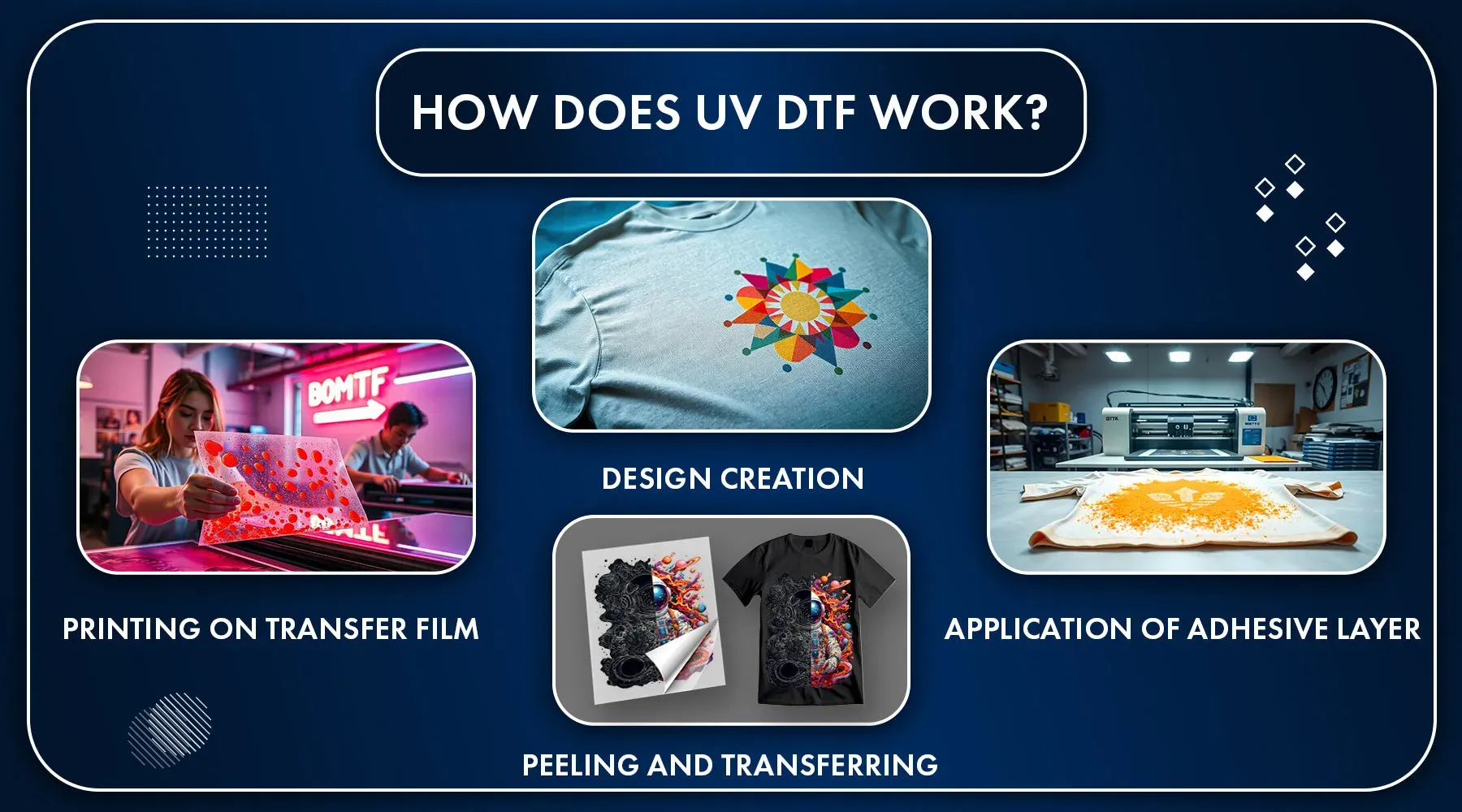
UV DTF transfers are transforming how designers translate digital art into wearable textiles, blending sharp detail with durable color and enabling rapid iterations in production, and opening up versatile opportunities for customization and scalability. Leveraging UV-curable inks and a streamlined transfer process, UV DTF printing delivers vibrant color, precise edge definition, and reliable adhesion across a broad range of fabrics, while supporting creative experimentation for fashion, branding, and limited-edition runs. Compared with traditional screen printing or sublimation, DTF transfers offer quicker curing, improved color consistency, and broader substrate compatibility, reducing bottlenecks in small-batch production and offering more predictable color outcomes when scaled. Design considerations like white underprints on dark fabrics, precise color management, and strategies to maintain color accuracy in UV DTF help ensure vibrant results after washing, with robust proofs and on-garment testing guiding revisions before full runs. To keep results consistent, optimize your workflow with robust file preparation, suitable transfer films, and practical heat press tips for UV DTF, all aimed at turning concept into durable wearable art and ensuring fast, repeatable production cycles.
From an alternative perspective, this technology can be described as a digital-to-fabric transfer system powered by UV-curable inks, where artwork is first printed on a transfer film and then bonded to textiles with heat. In practice, terms such as UV-curable textile printing, print-on-film for fabrics, and direct-to-fabric imagery are commonly used among designers seeking sharp detail and quick turnarounds. LSI-friendly phrasing also includes fabric decoration with UV inks, heat-pressed graphics, and color-stable, washable graphics. This terminological diversity supports better SEO while preserving a descriptive, web-ready narrative that informs readers about workflow, materials, and practical tips.
Understanding UV DTF Transfers: From Concept to Fabric
UV DTF transfers blend digital design with textile personalization using UV-curable inks. The process begins with a digital design prepared for UV DTF printing, where inks cure under UV light to create a sharp image that adheres to fabrics like cotton, blends, and some polyesters. Compared to traditional water-based inks, UV-curable inks cure almost instantly, enabling faster production and reducing moisture-related handling issues during transfer. This approach—UV DTF transfers—offers crisp detail and a broad color gamut on a variety of substrates.
From a workflow perspective, UV DTF printing can be integrated with standard DTF transfers processes, where the printed sheet is transferred to fabric using heat and a bonding layer. The main advantages include high detail, quick curing, and broad substrate compatibility, which makes it a robust option for small brands, makers, and production shops. When designing for UV DTF, consider how texture, seams, and fabric surface will interact with the ink film and adjust artwork accordingly.
Choosing the Right Inks and Films for UV DTF Printing
The core materials are UV-curable inks designed for textiles and a compatible transfer film. The inks offer rapid curing and a wide color gamut, but performance depends on formulation and curing energy. Select inks with solid wash-fastness ratings and compatibility with your printer and film, as this directly affects color accuracy in UV DTF and the long-term durability of the print. The transfer film should align with the ink system to ensure clean edges and consistent registration.
Testing across fabrics is essential. Cotton and cotton blends often respond well to UV DTF transfers, while polyester or poly blends may require pre-treatment or underprint adjustments to maintain brightness and adhesion. A thin primer or adhesion promoter can improve longevity on challenging substrates, and you should implement a small test campaign to quantify performance before committing to larger runs.
Color Management and Proofing for UV DTF Transfers
Color accuracy in UV DTF is influenced by monitor calibration, ICC profiles, and correct proofing workflows. Establish a color management routine that aligns on-screen proofs with physical prints by using validated ICC profiles designed for UV inks. Soft-proofing helps visualize color shifts due to substrate and lighting differences before printing, reducing costly misfires in UV DTF printing.
Build a library of reference assets and run test swatches on the actual garment substrate. This allows you to compare print outcomes under production lighting and normal wear conditions. Maintaining color fidelity across batches requires consistent printer calibration, ink lot tracking, and good color targets to speed up future projects while preserving color accuracy in UV DTF.
Heat Press Tips for UV DTF: Mastering the Bond Between Print and Fabric
The heat press is critical to the durability of UV DTF transfers. Effective heat application activates the adhesive layer and fuses the ink to fibers. For most fabrics, you’ll start around 320–340°F (160–171°C) with a dwell time of 10–20 seconds and moderate to firm pressure. However, fabric type, ink formulation, and transfer film can shift the optimal settings, so always run fabric swatches to verify adhesion and avoid scorching.
Post-press practices also matter. A brief post-press cure with controlled heat can help lock in the finish, and allowing the garment to cool before handling strengthens the bond. Document your heat press profile by fabric type and ink brand, then reuse it as a baseline for future UV DTF projects. This is one of the most practical heat press tips for UV DTF to ensure consistent results across runs.
Design and Artwork Techniques for Maximum Detail in UV DTF Printing
Artwork for UV DTF should be designed with print resolution in mind. Start with a high-resolution canvas (300 dpi or higher) and prefer vector artwork where possible to maintain sharp edges on fabrics. In UV DTF printing, crisp line work and gradients reproduce clearly due to rapid ink curing, but you should avoid excessive rasterization that could lead to blurring on textured fabrics.
Consider white underprints for darker fabrics to improve vibrancy and color clarity. Halftones and gradients can be reproduced, but test for moiré patterns on certain textiles. Plan your layout around garment seams and folds, and think about how bright colors will read on the chosen fabric. By coordinating design and substrate, you maximize impact for UV-curable inks and achieve professional-looking results in UV DTF printing.
Troubleshooting and Maintenance for Long-Lasting DTF Transfers
Even with strong procedures, issues like cracking, peeling, or fading can occur. Cracking may indicate under-curing or insufficient heat, while poor adhesion on stretchy fabrics can result from incorrect transfer timing or underprint strategies. Fading often relates to ink formulation, curing energy, or sunlight exposure. Start by verifying your heat, time, and pressure settings, and adjust curing energy to optimize adhesion and color retention.
Preventive maintenance includes regular calibration of printers and curing equipment, as well as fabric testing and consistent substrate selection. Keep a log of ink lots, transfer films, and settings to identify patterns that lead to failures in UV DTF transfers. By adopting a structured troubleshooting approach and maintaining equipment, you can ensure longer-lasting results and a more reliable DTF transfers workflow.
Frequently Asked Questions
What are UV DTF transfers and how does UV DTF printing differ from traditional DTF transfers?
UV DTF transfers use UV-curable inks that cure instantly under ultraviolet light, enabling fast production, sharper detail, and broader substrate compatibility compared to traditional DTF transfers with water-based inks. They often deliver vibrant color on dark fabrics and benefit from clear edge definition, robust adhesion, and a streamlined workflow when heat pressing.
How can I achieve color accuracy in UV DTF transfers during UV DTF printing?
Establish a color management workflow with calibrated monitors and ICC profiles tailored for UV inks. Use soft-proofing and print test swatches on the target fabric to verify color fidelity, and consider a white underprint for darker textiles to stabilize vibrancy and improve color accuracy in UV DTF.
What are the best heat press tips for UV DTF transfers to maximize durability and color fidelity?
Key tips include: heat around 320–340°F (160–171°C), dwell time of 10–20 seconds, and moderate to firm pressure. Pre-press to remove moisture, apply the transfer evenly, and let it cool before a short post-press cure if recommended by the ink manufacturer to lock in the finish.
Which fabrics work best with UV-curable inks used in UV DTF transfers?
Cotton and cotton blends are most reliable with good adhesion and color saturation. Some polyester blends can work with proper pretreatment and adjusted heat/time; always run fabric-specific tests to confirm adhesion, feel, and wash durability for UV DTF transfers.
What design and file setup is recommended for UV DTF printing to ensure crisp results?
Design at 300 dpi or higher, prefer vector elements for sharp edges, and plan for white underprint on dark fabrics when needed. Use calibrated color profiles, perform proofs on the same substrate, and account for seams and garment shaping to maintain clarity in UV DTF transfers.
What common issues occur with UV DTF transfers and how can I troubleshoot them in DTF transfers?
Common issues include cracking or peeling (check cure energy and heat/time), fading colors (adjust ink formulation or curing), edge bleeding (verify resolution and underprint opacity), and poor adhesion on stretchy fabrics (revisit pretreatment, underprint strategy, and cure settings).
| Aspect | Key Points |
|---|---|
| What are UV DTF transfers? | Direct-to-fabric transfers using UV-curable inks that cure instantly under UV light, delivering vibrant, durable prints with broad fabric compatibility. |
| Process overview | Design -> print with UV-curable inks -> cure -> apply heat press to fabric -> post-press cure and cooling; test on fabrics. |
| Design considerations | High-resolution artwork (300 dpi+), color management with ICC profiles, white underprint planning for dark fabrics, and attention to line work, text, and gradients. |
| Materials and inks | UV-curable inks designed for textiles; compatible transfer film; fabric testing; pretreatment as needed; wash-fastness considerations. |
| Workspace and equipment | Reliable UV curing source (LED or mercury-arc), accurate heat press (temp, time, pressure), PPE, ventilation, and safety guidelines. |
| Heat and cure | Typical starting targets: 320–340°F (160–171°C), 10–20 seconds, moderate to firm pressure; post-press cure and cooling for bond strength. |
| Color accuracy and proofing | Calibrated viewing; ICC profiles; test swatches on similar substrates; plan for soft-proofing and underprint strategies. |
| Troubleshooting | Cracking, fading, bleeding, or adhesion issues; adjust curing energy, heat, time, and underprint; verify fabric compatibility. |
| Workflow | Concept/design → prepress → printing → curing → finishing → post-press cure → quality check. |
| Substrates and applications | Cotton and blends, polyester blends; dark fabrics benefit from underprints; test across garments like tees, hoodies, bags. |
| Care and longevity | Cold washing, inside-out drying, mild detergents; durability depends on ink formulation and proper curing. |
| Future trends | Improvements in ink longevity, color gamut, substrate support; eco-friendly formulations; streamlined workflows. |
Summary
Conclusion: UV DTF transfers bridge digital design and wearable textiles by combining UV-curable inks, transfer films, and precise heat pressing to deliver vibrant, durable graphics on fabric. By planning for fabric texture, selecting compatible inks and films, and optimizing heat press parameters and color management, you can move from concept to wearable results that stand up to washing and daily use. A repeatable workflow, thorough testing, and adherence to best practices in color accuracy and adhesion across substrates ensure UV DTF transfers consistently deliver wearable art that remains vibrant over time.