
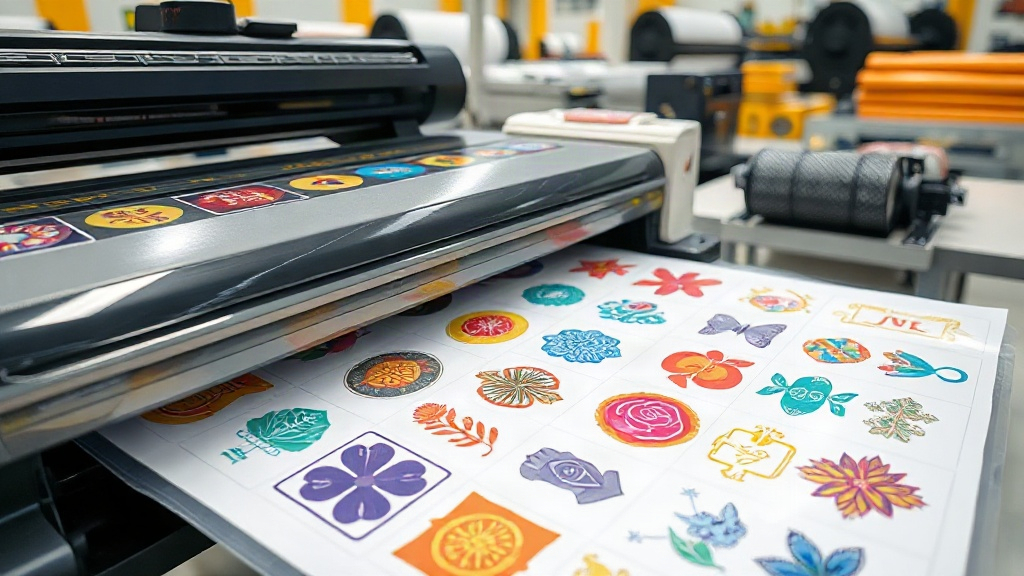
If you're in the custom apparel business, you've likely heard about DTF printing. It's a game-changer for producing vibrant, durable transfers on various fabrics. But did you know that you can take your efficiency to the next level with DTF gangsheets? In this guide, we'll explore what gangsheets are, why they're essential for your shop, and how to make the most of them.
What is a DTF Gangsheet?
A DTF gangsheet is a single sheet of film that contains multiple designs printed together, ready to be transferred onto garments. Instead of printing each design individually, you gang them up on one sheet, maximizing the use of your printer's width and reducing waste. This approach is similar to gang runs in traditional printing, where multiple jobs are combined to save time and materials.
Why Gangsheets Matter for Your Business
Time is money in the printing industry. By using DTF gangsheets, you can significantly cut down on setup time, film usage, and powder consumption. Plus, you can fulfill larger orders faster, which keeps customers happy and coming back. Whether you're a small home-based shop or a large production facility, gangsheets can transform your workflow.
Benefits of Using DTF Gangsheets
Let's dive into the key advantages that make DTF gangsheets a must-have for your printing arsenal.
1. Cost Efficiency
Material costs add up quickly. With gangsheets, you use less film, less ink, and less adhesive powder per design. For example, if you have ten small logos to print, you can fit them all on one sheet instead of ten separate sheets. That's a huge savings on consumables, which directly improves your profit margin.
2. Time Savings
Printing one sheet with multiple designs is much faster than printing each design individually. You'll spend less time loading film, aligning designs, and running the printer. This speed is especially beneficial when you have tight deadlines or bulk orders.
3. Consistency and Quality
When you print all designs on the same sheet, they go through the same printing conditions, ensuring consistent color and quality across the board. This uniformity is crucial for client satisfaction, especially for team uniforms or promotional items.
4. Reduced Waste
Gangsheets allow you to nest designs closely, minimizing unused space on the film. This reduces waste and makes your operation more environmentally friendly, which is a selling point for eco-conscious customers.
How to Create a DTF Gangsheet
Creating a gangsheet requires some planning and the right tools. Here's a step-by-step guide to help you get started.
Step 1: Gather Your Designs
Collect all the designs you need to print. Make sure they are high-resolution and properly sized. If you're printing for multiple clients, keep each client's designs separate to avoid mix-ups.
Step 2: Use Gangsheet Software
There are specialized software tools for creating gangsheets, such as DTF Gangsheet Builder or features within RIP software. These tools allow you to import designs, arrange them on a virtual sheet, and optimize the layout for maximum efficiency. Some software even auto-nests designs to fill gaps automatically.
Step 3: Arrange Designs
Place your designs on the sheet with adequate spacing (usually 0.25 to 0.5 inches) to allow for cutting. Consider the grain of the film and the direction of the designs. Rotate designs if needed to fit more on the sheet.
Step 4: Print and Cure
Once your layout is ready, print it using your DTF printer. Follow your printer's settings for ink density and resolution. After printing, apply adhesive powder evenly, shake off excess, and cure the sheet according to your powder's specifications.
Step 5: Cut and Transfer
After curing, you can cut out individual designs. Use a heat press to transfer them onto garments. The gangsheet format makes it easy to peel off one design at a time without disturbing others.
Tips for Maximizing Gangsheet Efficiency
To get the most out of your DTF gangsheets, consider these expert tips.
- Plan ahead: Group designs by size and quantity to fill the sheet efficiently.
- Use nesting software: Let software optimize the layout for you; it can save hours.
- Standardize sizes: If possible, use standard sizes for common items like left-chest logos to make nesting easier.
- Keep a template: Create templates for frequent orders (e.g., team jerseys) to speed up the process.
- Monitor ink and powder usage: Keep track to ensure you're not over-applying, which wastes materials.
Common Pitfalls to Avoid
Even with the best intentions, mistakes can happen. Watch out for these common issues.
Overcrowding the Sheet
Packing too many designs without proper spacing can lead to cutting errors and transfer issues. Always leave enough room for clean cuts.
Inconsistent Powder Application
Uneven powder can cause poor adhesion and washability. Use a powder shaker for even distribution and always cure properly.
Ignoring Film Orientation
DTF film has a printable side and a non-printable side. Ensure you load it correctly to avoid ruining the sheet.
Not Testing First
Before running a full gangsheet, do a small test print to check colors and settings. This can save you from wasting an entire sheet.
Frequently Asked Questions
What is the maximum size for a DTF gangsheet?
The maximum size depends on your printer's width. Common DTF printers have a width of 13 inches or 24 inches, so your gangsheet can be as wide as the printer allows. Length can be continuous, but practical limits are around 10 feet for easy handling.
Can I mix different designs on one gangsheet?
Absolutely! That's the whole point of gangsheets. You can mix any designs as long as they fit on the sheet. Just ensure they are all printed with the same settings for consistency.
How do I price gangsheet printing for customers?
Pricing should cover materials, labor, and overhead, plus profit. Calculate the cost per square inch of film, ink, and powder, then add your time. Many shops offer tiered pricing based on quantity to encourage larger orders.
What file format is best for gangsheet designs?
High-resolution PNG or TIFF files with transparent backgrounds are ideal. Vector files (AI, EPS) are also great as they can be scaled without loss of quality. Avoid low-resolution JPEGs.
How long does a DTF gangsheet last?
When stored properly in a cool, dry place away from direct sunlight, a printed and cured gangsheet can last for several months. However, for best results, use it within a few weeks.
Mastering DTF gangsheets can set your business apart. By optimizing your printing process, you'll save time, reduce costs, and deliver exceptional quality to your customers. Start experimenting with gangsheets today and watch your productivity soar.