
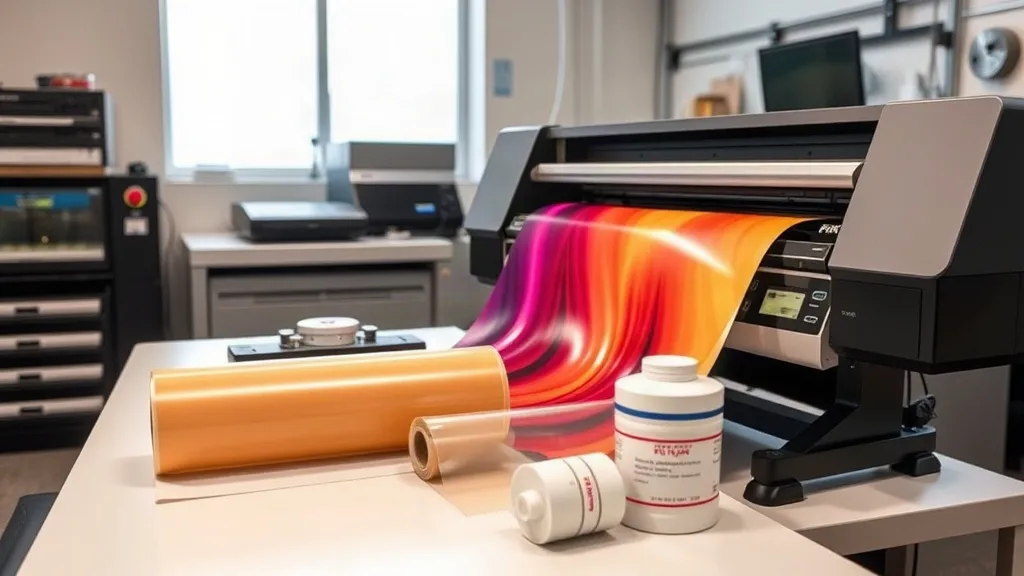
If you're in the custom apparel business, you've likely heard about dtf printing. This technology has taken the garment decoration world by storm, offering a versatile and cost-effective alternative to traditional methods like screen printing and heat transfer vinyl. But what exactly is DTF, and why should you consider adding it to your production lineup? In this guide, we'll dive deep into DTF printing, explore the advantages of dtf transfers, and show you how to achieve professional results.
What is DTF Printing?
DTF stands for Direct to Film. It's a printing process where a design is printed onto a special PET film using water-based pigments, then coated with a hot-melt adhesive powder. The film is then cured and can be transferred onto fabric using a heat press. Unlike DTG (Direct to Garment) printing, which requires the garment to be loaded into the printer, DTF allows you to print the transfer separately and apply it later. This opens up a world of possibilities for printing on a wide range of fabrics, including cotton, polyester, blends, and even nylon and leather.
How DTF Transfers Work
The DTF process involves several key steps:
- Design Preparation: Your artwork is prepared in a graphics program, ensuring it's mirrored and sized appropriately.
- Printing: The design is printed onto a PET film using a DTF printer equipped with CMYK and white ink channels. The white ink acts as a base, allowing the colors to pop on dark fabrics.
- Powdering: While the ink is still wet, a hot-melt adhesive powder is applied evenly over the print. The excess powder is shaken off.
- Curing: The film passes through a curing oven or under a heat source to melt the powder, creating a dry, tack-free surface.
- Transfer: The transfer is placed on the garment and pressed with a heat press at specific temperature, pressure, and time settings.
- Peeling: After pressing, the film is peeled away (hot or cold peel, depending on the film), leaving the vibrant design bonded to the fabric.
Why Choose DTF Transfers?
DTF transfers offer numerous advantages that make them a favorite among printers and apparel decorators:
- Versatility: Can be applied to almost any fabric, including cotton, polyester, blends, and even treated nylon and leather.
- No Weeding: Unlike heat transfer vinyl, there's no tedious weeding process. You print, powder, cure, and press.
- Vibrant Colors: The white ink base ensures bright, opaque colors on both light and dark garments.
- Durability: When applied correctly, DTF transfers withstand repeated washing without cracking or fading.
- Cost-Effective: Low setup costs and the ability to print small batches make it ideal for short runs and personalized items.
- Stretchability: The transfers stretch with the fabric, making them suitable for performance wear and stretchy materials.
DTF vs. Other Printing Methods
How does DTF stack up against screen printing, DTG, and vinyl?
DTF vs. Screen Printing
Screen printing requires separate screens for each color, making it cost-effective only for large orders with few colors. DTF excels in full-color, detailed designs and short runs, with no per-color setup fees. However, for very large orders of simple designs, screen printing can be cheaper per unit.
DTF vs. DTG
DTG prints directly onto the garment, which must be pre-treated. It works best on 100% cotton and can struggle with polyester. DTF, on the other hand, can be used on a wider range of fabrics and doesn't require pre-treatment of the garment. DTF transfers also allow you to print ahead and store transfers for on-demand application.
DTF vs. Heat Transfer Vinyl (HTV)
HTV requires cutting and weeding, which is time-consuming for complex designs. DTF eliminates weeding and can reproduce intricate details and gradients with ease. HTV is limited to solid colors and simple shapes, while DTF handles full-color photographs and fine lines.
Getting Started with DTF Printing
To start your DTF journey, you'll need:
- A DTF printer (or access to a DTF printing service).
- PET film designed for DTF.
- Hot-melt adhesive powder.
- A heat press.
- A curing oven or heat gun (if using a printer without an integrated curing unit).
If you're not ready to invest in a printer, you can order custom DTF transfers from a service like dtf transfers and apply them yourself. This is a great way to test the waters and offer DTF to your customers without a large upfront investment.
Tips for Perfect DTF Transfers
- Choose the Right Film: Not all PET films are created equal. Use film specifically designed for DTF printing to ensure proper ink adhesion and transfer.
- Control Moisture: Fabrics should be dry before pressing. Moisture can cause uneven transfer or poor adhesion.
- Pre-Press Garments: Pre-pressing removes wrinkles and moisture, ensuring a smooth surface for the transfer.
- Follow Press Parameters: Temperature, pressure, and time vary by film and fabric. Always test with a sample first.
- Peel at the Right Temperature: Some films require hot peel, others cold peel. Check the manufacturer's recommendations.
- Wash Inside Out: To extend the life of your DTF prints, advise customers to wash garments inside out in cold water and avoid harsh detergents.
Common Applications of DTF Transfers
DTF transfers are used for a wide range of products, including:
- T-shirts, hoodies, and sweatshirts
- Sportswear and jerseys
- Tote bags and backpacks
- Denim jackets and jeans
- Corporate uniforms and promotional items
- Personalized gifts
Frequently Asked Questions
What fabrics can DTF transfers be applied to?
DTF transfers can be applied to cotton, polyester, cotton-poly blends, nylon, leather, and more. They work well on both light and dark colors.
How long do DTF transfers last?
With proper application and care, DTF transfers can last as long as the garment itself. They are durable and resistant to cracking and fading.
Do I need a special printer for DTF?
Yes, DTF requires a printer that uses DTF inks and has a white ink channel. However, you can also order pre-made DTF transfers from a service and apply them with a heat press.
Can I stretch DTF transfers?
Yes, DTF transfers are flexible and will stretch with the fabric without cracking, making them ideal for stretchy materials.
What is the difference between DTF and DTG?
DTF prints on a film and then transfers to the garment, while DTG prints directly onto the garment. DTF works on more fabric types and doesn't require pre-treatment.
DTF printing is a game-changer for anyone in the custom apparel industry. Its versatility, vibrant results, and cost-effectiveness make it a valuable addition to any print shop. Whether you're a seasoned pro or just starting out, understanding DTF technology can help you expand your offerings and delight your customers. So why not give DTF a try? With the right knowledge and tools, you'll be creating stunning, durable prints in no time.