
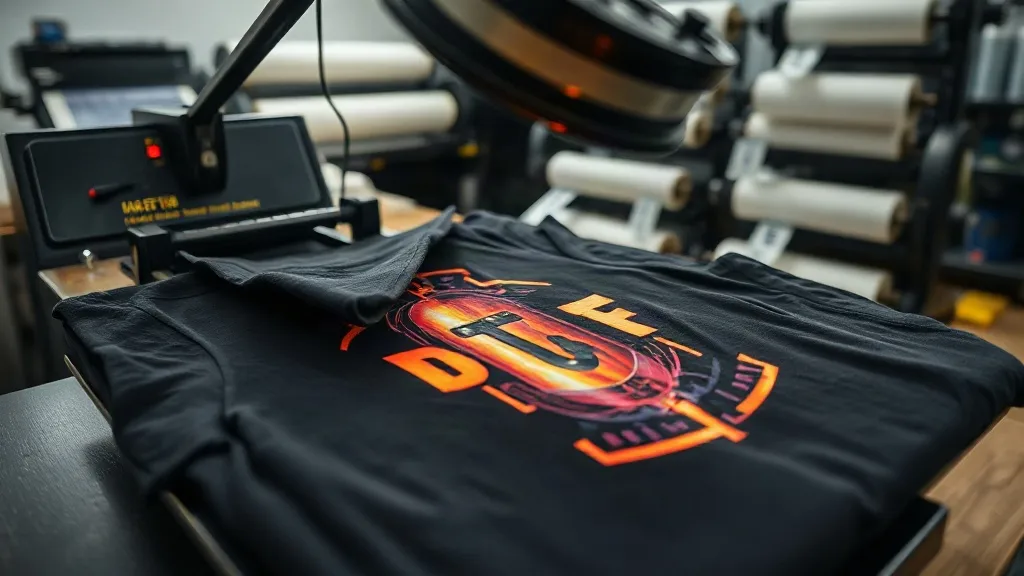
If you've been exploring custom apparel printing, you've likely encountered dtf as a game-changing technology. Unlike traditional methods that require specific fabrics or complex setups, DTF (Direct to Film) printing offers unmatched versatility. Whether you're a small business owner, a hobbyist, or a professional printer, understanding DTF transfers can open up a world of possibilities for vibrant, durable designs on almost any material.
In this guide, we'll walk you through the entire process, from how DTF transfers are made to application techniques and tips for achieving professional results. By the end, you'll have the knowledge to decide if DTF is right for your next project.
What Are DTF Transfers?
DTF transfers are a type of heat-applied decoration where a design is printed onto a special film, coated with adhesive powder, and then transferred to a garment using a heat press. The process begins with a digital printer that lays down CMYK plus white ink onto a PET film. The white ink acts as a base, allowing the colors to pop on both light and dark fabrics. After printing, a thermoplastic polyurethane (TPU) powder is applied to the wet ink, which serves as the adhesive when heated.
The result is a transfer that can be applied to cotton, polyester, blends, and even some specialty fabrics like leather or canvas. This flexibility is a major reason why dtf transfers have become so popular in the custom apparel industry.
How DTF Transfers Differ from Other Printing Methods
Compared to screen printing, DTF requires no screens or setup fees, making it cost-effective for short runs and complex designs. Unlike DTG (Direct to Garment), DTF doesn't require pre-treatment and works on a wider range of fabrics. Vinyl printing, while simple, is limited in color and detail. DTF bridges the gap by offering high detail, full-color prints without the constraints of other methods.
Advantages of DTF Transfers
- No color limitations: Print gradients, photographs, and intricate details with ease.
- Fabric versatility: Works on cotton, polyester, blends, and more.
- Durability: When applied correctly, DTF prints withstand repeated washing without cracking or fading.
- Cost-effective for small batches: No minimum order quantities or setup costs.
- Soft feel: The TPU powder creates a flexible, stretchable print that moves with the fabric.
The DTF Printing Process Explained
Understanding how DTF transfers are produced helps you appreciate the quality and make informed decisions. Here's a step-by-step breakdown:
- Design Preparation: Your artwork is prepared in a RIP (Raster Image Processor) software, which manages color profiles and white ink layering.
- Printing: A DTF printer prints the design onto a PET film using specialized inks. The white ink is printed first as a base, followed by CMYK colors.
- Powdering: While the ink is still wet, TPU adhesive powder is sprinkled over the print. The excess powder is shaken off, leaving a thin, even layer.
- Curing: The film passes through a heat source (often a tunnel oven) to melt the powder and cure the ink. This creates a durable, flexible transfer.
- Transfer Application: The cured film is placed on the garment and pressed with a heat press. The adhesive melts, bonding the design to the fabric. Once cooled, the film is peeled away, leaving the print behind.
Each step is crucial for ensuring the final transfer adheres well and looks vibrant.
Choosing the Right DTF Transfer for Your Project
Not all DTF transfers are created equal. Factors like ink quality, powder type, and film thickness affect the final outcome. When sourcing transfers, consider the following:
- Ink quality: High-quality inks produce brighter colors and better wash fastness.
- Powder mesh size: Finer powder creates a softer feel but may require more precise application.
- Film type: Some films are designed for better ink release or stretchability.
- Supplier reputation: Choose a reputable supplier like DTF Press Tech that prioritizes quality control.
If you're printing your own transfers, invest in a reliable printer and quality supplies. If you're buying pre-made transfers, request samples to test durability and color accuracy.
How to Apply DTF Transfers: Step-by-Step
Applying DTF transfers is straightforward, but following the correct technique ensures a professional finish.
Tools You'll Need
- Heat press (or a home iron with no steam)
- Heat-resistant tape or parchment paper
- Lint roller
- Temperature gun (optional)
Application Steps
- Preheat the garment: This removes moisture and wrinkles. Press for 5-10 seconds at the application temperature.
- Position the transfer: Place the DTF transfer on the garment with the printed side up. Secure with heat-resistant tape if needed.
- Press: Apply firm pressure at 300-325°F (150-160°C) for 10-15 seconds. Use medium to heavy pressure.
- Peel: Wait a few seconds for the transfer to cool slightly, then peel the film off in a smooth, consistent motion. For a matte finish, peel while hot; for a glossy finish, peel when cold.
- Post-press: Cover the design with parchment paper and press again for 5-10 seconds to ensure full adhesion.
Always test on a scrap fabric first to dial in your press settings.
Common Mistakes to Avoid with DTF Transfers
Even experienced printers can run into issues. Here are some pitfalls to watch out for:
- Insufficient pressure: Leads to poor adhesion and early peeling.
- Too much heat: Can scorch the fabric or cause the adhesive to burn, resulting in a rough texture.
- Not pre-pressing: Moisture and wrinkles can prevent proper bonding.
- Peeling too soon or too late: Follow the recommended peel timing for your film type.
- Using the wrong powder: Always use TPU powder designed for DTF; other adhesives may not work.
By avoiding these mistakes, you'll achieve consistent, durable results.
Washing and Caring for DTF-Printed Garments
To extend the life of your DTF prints, follow these care instructions:
- Wait at least 24 hours before washing.
- Turn the garment inside out.
- Machine wash cold with mild detergent.
- Avoid bleach and fabric softeners.
- Tumble dry low or hang to dry.
- Do not iron directly on the print.
With proper care, DTF prints can last as long as the garment itself.
Frequently Asked Questions About DTF Transfers
Can I apply DTF transfers with a home iron?
Yes, but it's tricky. A home iron doesn't provide even pressure or consistent temperature, so results may vary. For best results, use a heat press.
How long do DTF transfers last?
When applied correctly and cared for properly, DTF transfers can last for years without significant fading or cracking. They are known for their durability.
Do DTF transfers work on dark colors?
Absolutely. The white ink base allows the colors to stand out on dark fabrics, unlike some other printing methods that require a white underbase.
What's the difference between DTF and DTG?
DTG prints directly onto the garment, often requiring pre-treatment and working best on 100% cotton. DTF involves printing on a film and transferring, which works on more fabrics and doesn't need pre-treatment.
Can I stretch DTF prints?
Yes, DTF prints are flexible and can stretch with the fabric without cracking, thanks to the TPU adhesive. However, excessive stretching may cause damage over time.
DTF transfers are revolutionizing custom apparel by offering versatility, durability, and vibrant colors. Whether you're a business or a hobbyist, mastering DTF can elevate your creations. For high-quality DTF supplies and transfers, visit DTF Press Tech today.