
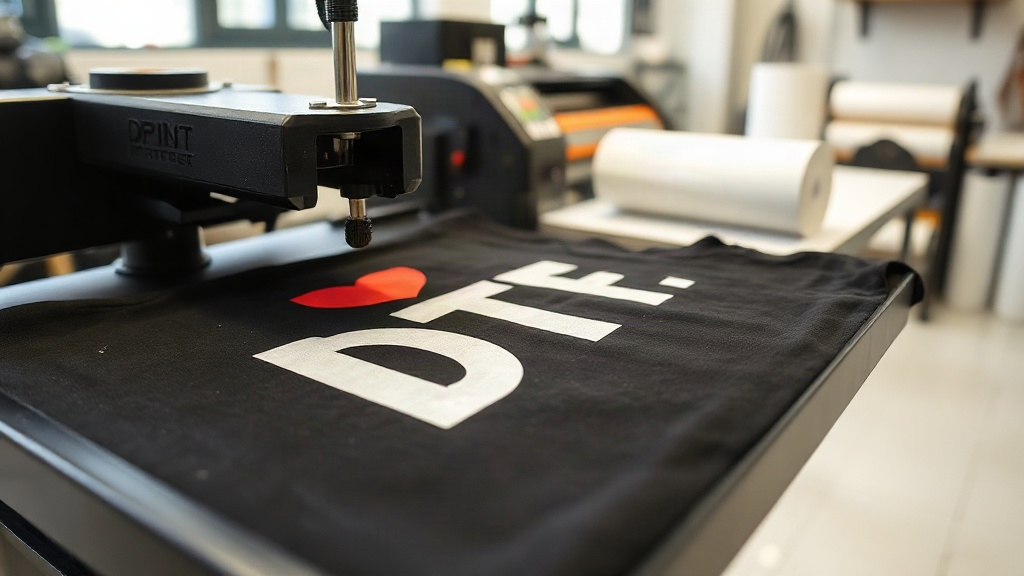
If you're in the custom apparel business, you've likely heard the buzz about DTF Transfers. This innovative printing method is changing the game for small shops and large manufacturers alike. Unlike traditional techniques, DTF transfers offer unmatched versatility, allowing you to print full-color designs on a wide range of fabrics with incredible detail. Whether you're a seasoned pro or just starting, understanding DTF transfers can elevate your offerings and streamline your production. In this guide, we'll dive deep into what DTF transfers are, how they work, and why they might be the perfect solution for your next project.
What Are DTF Transfers?
DTF stands for Direct to Film. It's a printing process where your design is printed onto a special film, coated with a powder adhesive, and then heat-pressed onto the fabric. Unlike DTG (Direct to Garment) or screen printing, DTF transfers don't require pre-treatment or specialized inks for different fabric types. The design is printed onto a PET film using water-based inks, then a TPU adhesive powder is applied while the ink is still wet. After curing, the transfer is ready to be applied to garments using a heat press. This method works on cotton, polyester, blends, and even tough materials like nylon and leather. The result is a soft, stretchable print that holds up wash after wash.
Why Choose DTF Transfers?
There are several compelling reasons to consider DTF transfers for your custom apparel needs. First and foremost, the versatility is unmatched. You can print on virtually any fabric without worrying about dye migration or adhesion issues. This opens up possibilities for printing on dark colors, synthetic materials, and unusual items like canvas bags and hats. Additionally, DTF transfers eliminate the need for color separations and screens, making short runs and one-offs economically feasible. The process is also faster than traditional methods, allowing for quick turnaround times. Plus, the prints are incredibly durable, with excellent wash fastness and stretchability. For businesses looking to offer high-quality custom apparel without hefty setup costs, DTF transfers are a game-changer.
How DTF Transfers Work: Step by Step
Understanding the DTF process can help you appreciate its efficiency and effectiveness. Here's a breakdown of the key steps involved:
- Design Preparation: Create your artwork in a graphics program, ensuring it's mirrored and sized appropriately. DTF printers use CMYK inks plus white, so vibrant colors are achievable.
- Printing: The design is printed onto a special PET film using a DTF printer. The printer lays down a layer of white ink first (for opacity on dark fabrics) followed by the color layers.
- Powder Application: While the ink is still wet, a TPU adhesive powder is applied evenly over the printed area. Excess powder is shaken off.
- Curing: The film with the powder is then heated to melt the powder, creating a adhesive layer that will bond to the fabric.
- Transfer: Once cured, the transfer can be stored or immediately applied. Using a heat press, the transfer is pressed onto the garment at a specific temperature and pressure for a set time.
- Peeling: After pressing, the film is peeled away (hot or cold peel, depending on the film type), leaving the design bonded to the fabric.
Each step is crucial for a successful transfer. With practice, you'll develop a rhythm that makes the process quick and reliable.
Benefits of DTF Transfers Over Other Methods
When compared to other decoration methods, DTF transfers shine in several areas. Let's explore the key advantages:
- No Weeding or Cutting: Unlike vinyl, DTF transfers don't require weeding, saving hours of tedious work.
- Full-Color Prints: You can print complex, multi-color designs without worrying about color limitations or registration issues.
- Fabric Flexibility: Works on cotton, polyester, blends, and even non-traditional fabrics like leather and nylon.
- Durability: The prints are highly durable, resisting cracking, fading, and peeling even after many washes.
- Cost-Effective for Short Runs: No setup costs, making it ideal for small batches and personalized items.
- Soft Hand Feel: The prints are thin and flexible, feeling comfortable on the garment.
These benefits make DTF transfers a versatile and efficient choice for a wide range of applications.
Applications of DTF Transfers
DTF transfers are incredibly versatile and can be used for various products. Here are some popular applications:
- T-Shirts and Apparel: From basic tees to performance wear, DTF transfers produce vibrant, long-lasting designs.
- Sportswear: The stretchability of DTF prints makes them perfect for jerseys, leggings, and other activewear.
- Bags and Accessories: Canvas bags, backpacks, and even shoes can be customized with DTF transfers.
- Home Decor: Pillows, blankets, and curtains can feature custom designs.
- Promotional Items: Great for corporate events, giveaways, and team uniforms.
If you can heat press it, you can probably DTF it.
Tips for Successful DTF Transfers
To get the best results with DTF transfers, keep these tips in mind:
- Choose the Right Film: Not all DTF films are created equal. Select a film that matches your printer and desired finish (matte, glossy, etc.).
- Control Moisture: Fabric moisture can affect adhesion. Pre-press garments to remove moisture before transferring.
- Use Consistent Pressure: A heat press with even pressure ensures proper bonding. Avoid using an iron, as it doesn't provide enough pressure.
- Follow Temperature and Time Guidelines: Each film and powder has specific settings. Always refer to the manufacturer's recommendations.
- Test Peel: Do a peel test after pressing to ensure the transfer adheres properly. If it peels off, adjust your settings.
- Store Transfers Properly: Keep unused transfers in a cool, dry place to prevent premature curing.
With these tips, you'll achieve professional-looking results every time.
Common Challenges and Solutions
Even with the best practices, you might encounter some issues. Here are common challenges and how to overcome them:
- Poor Adhesion: Usually caused by insufficient pressure, incorrect temperature, or moisture. Pre-press fabric, increase pressure, and check temperature.
- Cracking: Often due to over-stretching or under-curing. Ensure proper curing and avoid stretching the print excessively.
- Color Fading: Can happen if the transfer is overheated or washed improperly. Use correct heat settings and wash inside out in cold water.
- Film Sticking: If the film sticks to the garment after peeling, it may be a cold peel film that needs to cool completely before peeling.
By troubleshooting systematically, you can resolve most issues quickly.
Frequently Asked Questions
What fabrics can DTF transfers be applied to?
DTF transfers work on a wide range of fabrics including cotton, polyester, blends, nylon, leather, and even some treated materials. They are particularly good for dark and synthetic fabrics where other methods may struggle.
How durable are DTF transfers?
DTF transfers are known for their durability. When applied correctly, they can withstand 50+ washes without significant fading, cracking, or peeling. The stretchability also means they move with the fabric, reducing cracking.
Do I need a special printer for DTF transfers?
Yes, DTF printing requires a dedicated DTF printer that uses water-based inks and can handle the film. However, you can also purchase pre-printed DTF transfers from suppliers if you don't want to invest in a printer.
Can I use a regular heat press for DTF transfers?
Absolutely. A standard heat press works perfectly for applying DTF transfers. Just ensure it can reach the required temperature (usually around 300-350°F) and provides even pressure.
Is DTF printing cost-effective for small businesses?
Yes, DTF transfers are very cost-effective for short runs and one-offs because there are no setup fees or minimum order quantities. You only pay for the materials you use, making it ideal for small businesses and personalized orders.
Conclusion
DTF transfers have revolutionized the custom apparel industry by offering unparalleled versatility, durability, and cost-efficiency. Whether you're a small business owner or a DIY enthusiast, incorporating DTF transfers into your workflow can open up new creative possibilities. With the right knowledge and tools, you can produce stunning, long-lasting designs on almost any fabric. So why not give DTF transfers a try? Your customers will love the results, and you'll love the simplicity.