
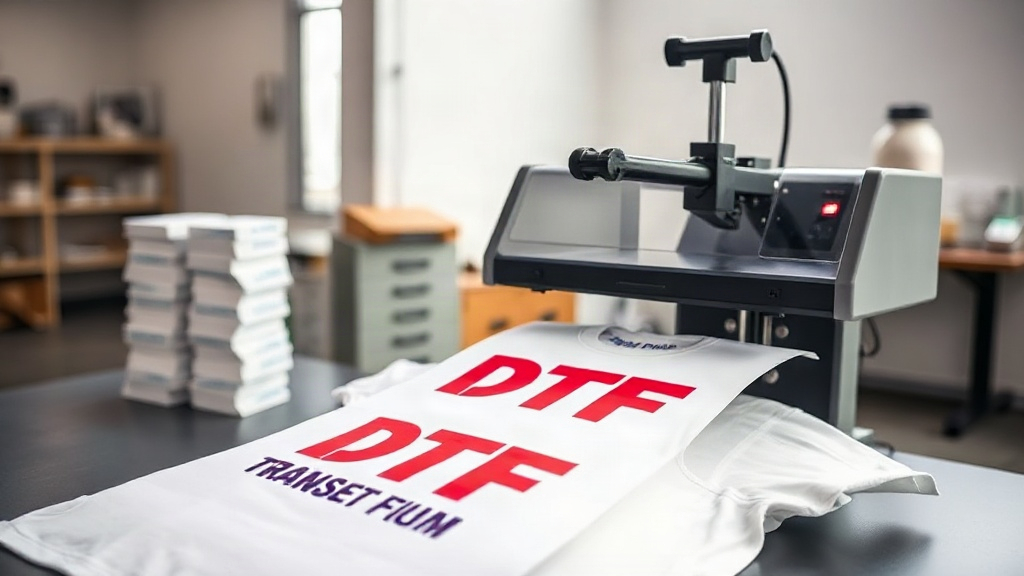
If you've been in the custom apparel game for any length of time, you've likely heard the buzz around DTF transfers. Direct-to-film printing has exploded in popularity, and for good reason. It offers a level of versatility and durability that traditional methods struggle to match. Whether you're a small business owner looking to expand your product offerings or a hobbyist wanting to create professional-grade custom t-shirts, understanding DTF transfers can open up a world of possibilities. In this guide, we'll walk you through everything you need to know about DTF transfers, from the basics of how they work to practical tips for getting the best results.
What Are DTF Transfers?
DTF transfers are a type of heat-applied decoration that involves printing a design onto a special film, coating it with a powder adhesive, and then transferring it to a garment using a heat press. Unlike DTG (direct-to-garment) printing, which prints directly onto the fabric, DTF transfers allow you to print on a wide range of materials, including cotton, polyester, blends, and even leather. The process starts with a digital printer that uses pigment-based inks to print the design onto a PET film. A powdered hot-melt adhesive is then applied to the wet ink, and the film is cured. The result is a flexible, stretchable transfer that can be stored and used as needed.
Why DTF Transfers Are Revolutionizing Custom Apparel
The rise of DTF transfers isn't just hype. They solve several pain points that have plagued apparel decorators for years. Here's why they're gaining traction:
- No color limitations: Unlike screen printing, which requires a separate screen for each color, DTF transfers can reproduce full-color images with gradients and fine details in a single pass.
- Works on almost any fabric: From 100% cotton to 100% polyester and everything in between, DTF transfers adhere well to a wide variety of materials.
- Durability: When applied correctly, DTF transfers can withstand dozens of washes without fading, cracking, or peeling.
- Cost-effective for short runs: No setup fees or minimum order quantities make DTF transfers ideal for small batches and one-off designs.
- Soft hand feel: The adhesive powder creates a thin, flexible layer that doesn't feel heavy or plastic-like on the garment.
How to Apply DTF Transfers: Step-by-Step
Applying DTF transfers is straightforward, but following the correct steps is crucial for a professional finish. Here's a tried-and-true method:
- Preheat the garment: Set your heat press to the recommended temperature (usually 300-325°F or 150-160°C) and pre-press the garment for 5-10 seconds to remove moisture and wrinkles.
- Position the transfer: Place the DTF transfer onto the garment with the printed side facing up. If your transfer has a clear carrier film, the design should be visible through it.
- Press: Apply medium pressure for 10-15 seconds. The exact time and temperature can vary depending on the film and adhesive, so always check the supplier's instructions.
- Peel: After pressing, wait a few seconds for the transfer to cool slightly, then peel the film off in a smooth, consistent motion. Most DTF transfers are "hot peel" or "cold peel" – know which type you have.
- Post-press (optional): For added durability, you can cover the design with a Teflon sheet or parchment paper and press again for a few seconds.
Common Mistakes to Avoid with DTF Transfers
Even seasoned professionals can run into issues if they overlook key details. Here are some pitfalls to watch out for:
1. Using the Wrong Temperature or Pressure
Too much heat can scorch the fabric or cause the adhesive to over-melt, leading to a messy application. Too little heat means the transfer won't adhere properly and will peel off after a few washes. Always test on a scrap piece of fabric first.
2. Ignoring Fabric Type
While DTF transfers work on many fabrics, some require special attention. For example, stretchy fabrics like spandex need a transfer that can stretch with the garment. Also, fabrics with a heavy texture (like rib knit) may need extra pressure to ensure the transfer reaches into the valleys of the fabric.
3. Peeling at the Wrong Time
Some DTF transfers are designed for hot peel, others for cold peel. Peeling too early or too late can cause the design to lift or leave adhesive residue. Always follow the manufacturer's recommendation.
4. Not Storing Transfers Properly
DTF transfers should be stored in a cool, dry place, away from direct sunlight. Stacking them under heavy objects can also cause the adhesive to stick to the film, ruining the transfer.
DTF Transfers vs. Other Decoration Methods
How do DTF transfers stack up against other popular methods? Let's compare:
- DTF vs. DTG: DTG prints directly onto the garment and works best on 100% cotton. DTF works on more fabrics and often produces more vibrant colors on dark garments.
- DTF vs. Screen Printing: Screen printing is cost-effective for large orders but requires setup for each color. DTF is better for detailed, multi-color designs and short runs.
- DTF vs. Vinyl: Heat transfer vinyl (HTV) is great for simple, single-color designs but can't handle complex images. DTF excels at photographic and gradient designs.
- DTF vs. Sublimation: Sublimation only works on light-colored polyester and requires a special coating. DTF works on cotton and dark fabrics without pre-treatment.
Choosing the Right DTF Transfer for Your Project
Not all DTF transfers are created equal. When selecting transfers, consider the following:
- Ink quality: High-quality pigment inks produce brighter, more durable prints.
- Adhesive powder: The type of powder affects the hand feel and washability. Look for fine, evenly applied powder.
- Film thickness: Thinner films conform better to the fabric and feel softer.
- Compatibility: Ensure the transfer is compatible with your heat press and the fabric you're using.
If you're new to DTF, start with a reputable supplier like DTF Press Tech, which offers a range of transfers and supplies tailored to different needs.
Frequently Asked Questions About DTF Transfers
How long do DTF transfers last?
With proper application and care, DTF transfers can last 50+ washes without significant fading or cracking. Turning the garment inside out and washing in cold water will help extend the life of the transfer.
Can I use DTF transfers on dark colors?
Absolutely. Unlike sublimation, DTF transfers include a white ink layer that makes them opaque, so they show up vividly on dark fabrics.
Do I need a special printer for DTF transfers?
Yes, DTF printing requires a dedicated DTF printer that uses pigment inks and a powder shaker. However, you can also purchase pre-printed DTF transfers from suppliers if you don't want to invest in the equipment.
What's the best way to store unused DTF transfers?
Keep them in a cool, dry place, ideally in a sealed bag or container to protect them from dust and moisture. Avoid folding or creasing the transfers.
Can I stretch a DTF transfer after application?
DTF transfers are flexible and can stretch with the fabric to some degree. However, excessive stretching may cause the design to crack over time. It's best to avoid stretching the printed area too much.
Final Thoughts
DTF transfers have truly changed the game for custom apparel decoration. They offer unmatched versatility, vibrant colors, and durability that rival more established methods. By understanding how they work and following best practices, you can create stunning, long-lasting garments that your customers will love. Whether you're just starting out or looking to expand your services, adding DTF transfers to your repertoire is a smart move. So go ahead, experiment with different designs, and see the difference for yourself.